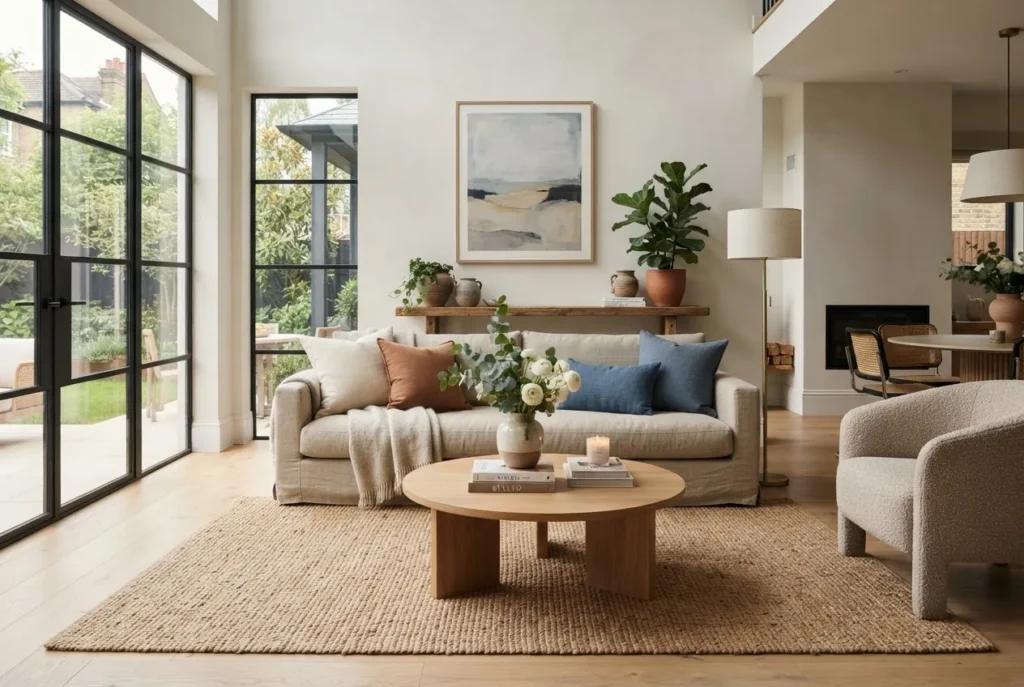
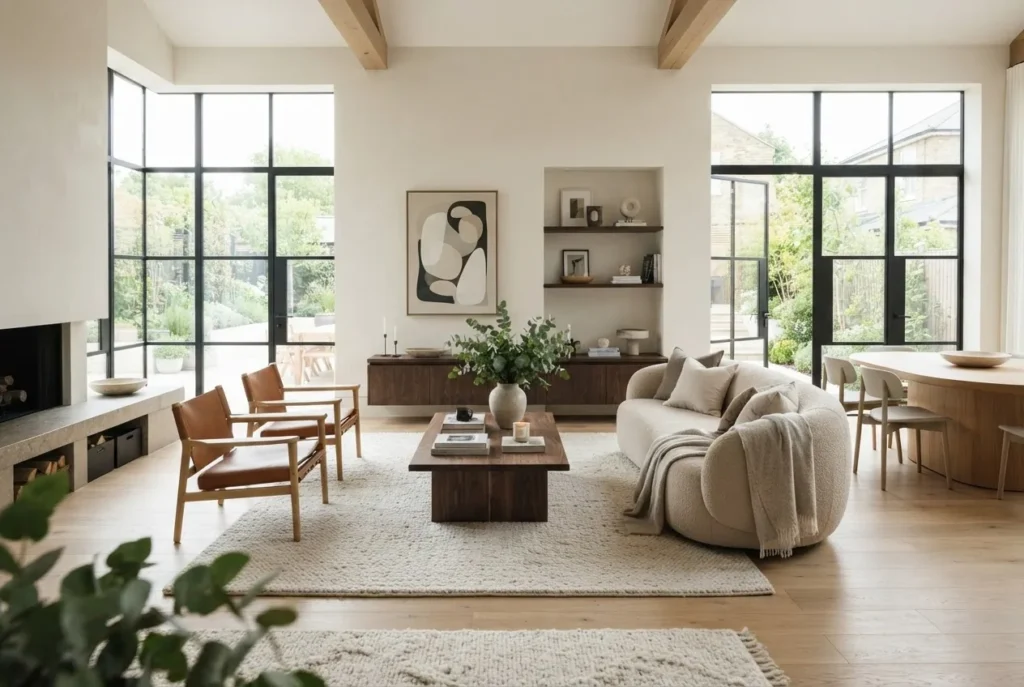
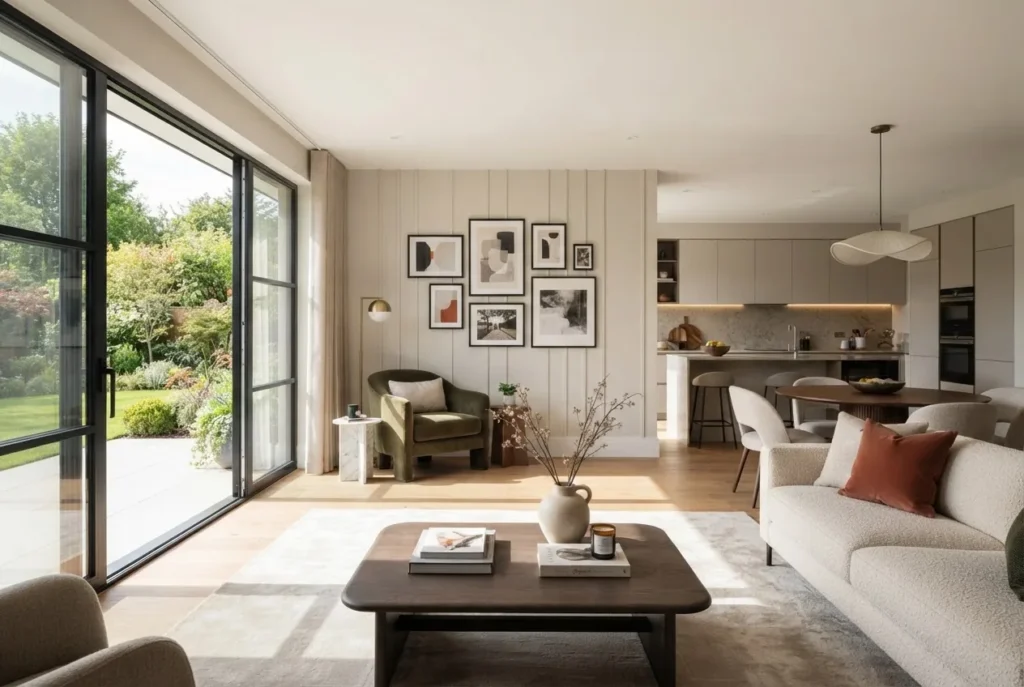
If you’re asking how to become an interior designer, this guide walks through practical Australian pathways, the skills hiring managers want, and the steps that turn curiosity about residential spaces into a paid design career. Read on for a magazine-style, step-by-step roadmap you can act on this year.
What Does an Interior Designer Do?
A professional interior designer specialises in shaping the function and atmosphere of interior spaces. In residential interior design, that means taking rooms from a client brief to a lived-in reality: site surveys, spatial planning, material selection, lighting design, procurement and supervising installation. Designers balance aesthetics with building requirements and client needs.

Start with a client consultation: I often begin with a 60–90 minute meeting to understand lifestyle, budget and the emotional objective of the space (e.g., “we need a calm family living room” or “we want a contemporary coastal bedroom”). From there the process typically follows: concept and mood boards, rough and detailed space plans, selection of finishes and fixtures, and project coordination with trades.
Consider these illustrative examples:
- Renovation project: A designer produces a floor plan to reconfigure a living/dining area, coordinates with a builder, sources lighting and window treatments, and supervises finishes.
- Full-service new home: Room-by-room programming, kitchen and cabinetry design coordination with an architect, and furniture procurement and installation staging.
- Consultation-only: Short advisory sessions for clients who want to DIY but need expert direction on layout or finishes.
“Design is problem solving with people at the centre — not just pretty pictures.” — practical reminder from studio practice.
The role differs by scale and remit. A residential interior designer may prepare documentation suitable for council approval, or only produce styling and procurement lists. That variability is why distinguishing an interior decorating master from a professional interior designer matters: the decorator focuses on finishes and styling; the designer applies technical training to alter space and meet regulatory requirements.
Transition: now that you know what designers do day-to-day, the next section maps the education routes you can take in Australia — from degrees to apprenticeships.
Education Pathways to Become an Interior Designer in Australia
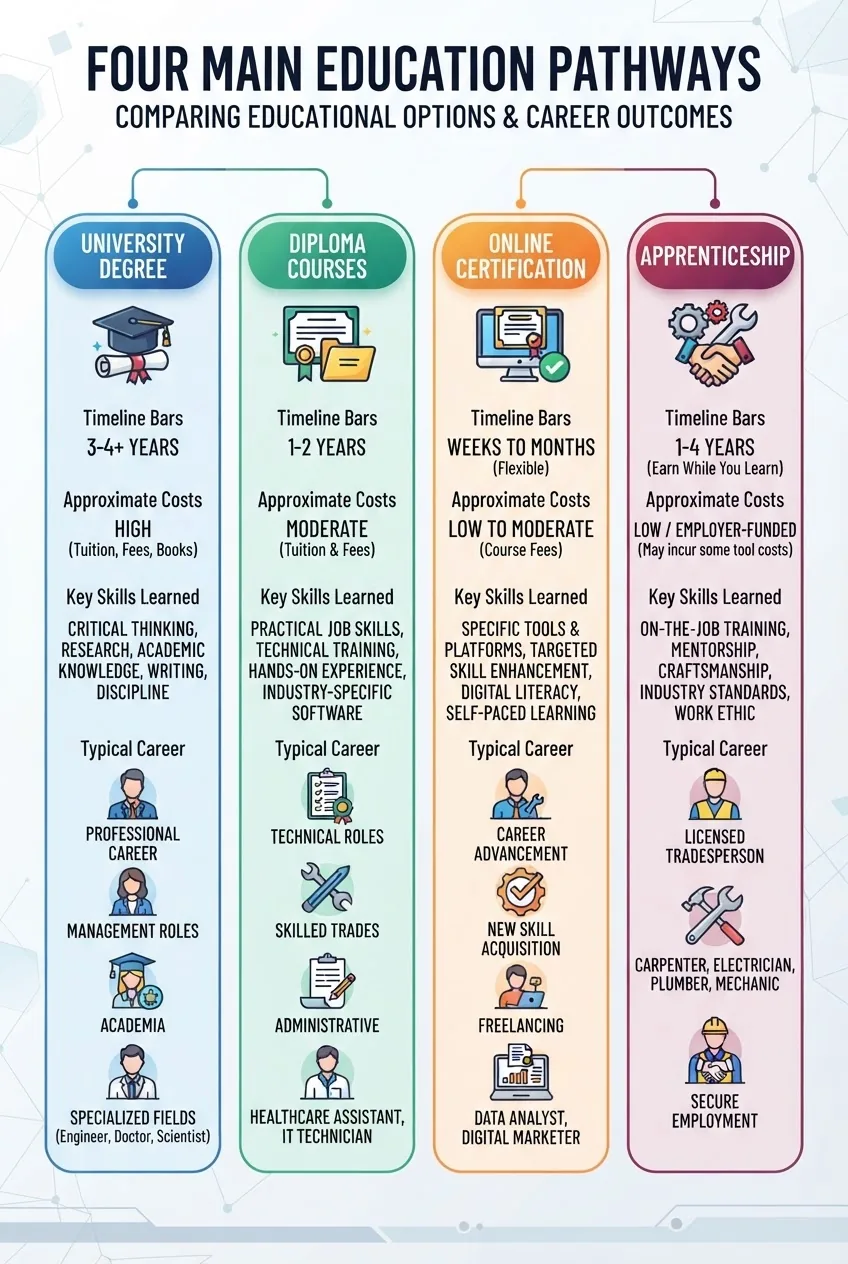
Choosing an education pathway shapes your early career trajectory. Below are the main Australian routes, presented as numbered options with practical pros and cons, realistic timelines and recommended next steps.
-
1. Bachelor’s Degree (Interior Design / Interior Architecture)
What it is: A 3–4 year university degree combining design theory, technical drawing, history of interiors, and often a capstone project. In Australia, some universities offer a Bachelor of Interior Architecture which adds more technical rigour.
Pros: Deep design training, stronger portfolio outcomes, eligibility for more senior roles and local accreditation pathways. Often includes studio units and industry projects that emulate real practice.
Cons: Higher tuition; longer time to enter workforce. For students working part-time, balancing studio demands can be intensive.
Timeline & cost: Typically 3 years full-time; fees vary widely—domestic Commonwealth-supported places available at some universities; international and full-fee places range substantially.
Next step: Seek programs with strong studio components and placement options. For a broader view comparing architects and designers, see training and services for architects and interior designers.
-
2. Diploma and Advanced Diploma Courses (TAFE / Private Colleges)
What it is: Typically 1–2 years focused on practical skills: drafting, materials, digital visualisation and project work. Diplomas may be delivered by TAFE or private registered training organisations.
Pros: Faster entry to the industry, lower cost, practical projects tailored to workplace skills. Ideal for those wanting to specialise in residential decorating or become an interior decorator quickly.
Cons: May lack the theoretical depth of a degree; some employers prefer degree-qualified candidates for complex documentation work.
Timeline & cost: 1–2 years full-time. Many courses offer part-time and online study options — explore diploma of interior design online courses for remote study options.
-
3. Short Courses and Online Certification
What it is: Short, focused units in styling, CAD, SketchUp, lighting design or colour theory—from single workshops to multi-month certificate programs.
Pros: Fill specific skills gaps fast (e.g., learning AutoCAD or Revit). Useful for career changers or decorators building a tech-informed practice.
Cons: Not a substitute for comprehensive qualification; limited recognition for roles requiring detailed documentation or regulatory compliance.
Next step: Pair short courses with real projects to demonstrate competence. For a curated list of Australian courses and trends, see interiors design courses and styles in Australia.
-
4. Apprenticeship / Internship / On-the-job Training
What it is: Paid or unpaid workplace learning under an experienced designer, often paired with formal competency-based training.
Pros: Direct exposure to client work, procurement, trade coordination and the business side of design. Apprenticeships lead to real portfolio pieces and networks that can accelerate hiring.
Cons: May take longer to cover theoretical design principles; quality varies with host firm. Ensure structured learning outcomes and mentorship are in place.
How to find them: Contact local studios, use industry job boards, or explore formal apprenticeships. For practical options and training structures, see interior decorator apprenticeship and training.
-
5. Combined Pathways (Work + Study)
What it is: Many successful designers mix part-time study with apprenticeships or junior roles. This hybrid approach builds workplace experience while completing qualifications.
Pros: Portfolio grows alongside formal learning; immediate income and exposure to client processes. Employers often prefer candidates who can contribute from day one.
Cons: High workload; requires careful time management.
-
6. Specialised Short Tracks (e.g., Kitchen & Bathroom Design)
What it is: Industry-specific training for high-demand residential niches like kitchen and bathroom design, cabinetry or sustainable interiors.
Pros: Rapidly improves employability in niche markets and can command higher fees as a specialist.
Cons: Narrower scope — balance with generalist skills if you want broader career options.
-
7. Entry via Related Professions
What it is: Backgrounds in architecture, furniture design, or interior decoration can transition into interior design through bridging courses or on-the-job learning.
Pros: Architectural training accelerates technical competence for documentation; decorating backgrounds help in client-facing styling roles.
Cons: Additional coursework may be required to meet specific accreditation criteria.
Note on Australian qualification standards: the Australian Qualifications Framework defines levels for certificates, diplomas and degrees — check the AQF for precise level descriptions and recognition. Australian Qualifications Framework (AQF).
Transition: after you choose a learning pathway, developing the right skills and tools will speed your progress from trainee to trusted residential interior designer.
Essential Skills and Tools for Interior Designers

Core skills blend creativity, technical ability and people skills. Employers screen for both design thinking and practical competence. Below I list essential skills, then the most common software tools that will appear on job descriptions.
Key skills (behavioural + technical):
- Spatial planning: understanding circulation, ergonomics and furniture layout to make rooms work for daily life.
- Technical documentation: producing clear floor plans, elevations and joinery details suitable for contractors.
- Material and finish specification: knowledge of durability, maintenance and cost for residential finishes.
- Lighting design basics: layering ambient, task and accent lighting for atmosphere and function.
- Project management: scheduling, budgeting and coordinating trades — often the difference between a smooth project and overruns.
- Communication and client consultation: presenting concepts, managing expectations and translating client needs into design outcomes.
- Business skills: pricing, contracts, procurement and basic marketing for freelancers.
Practical soft-skill tips: practice concise briefs, run timed concept pitches to a peer group, and rehearse difficult conversations (scope creep, budget constraints). These interpersonal skills drive client satisfaction and repeat work.
Common software and tools:
- AutoCAD — foundational 2D drafting for floor plans and elevations.
- SketchUp — rapid 3D modelling for early concept stages.
- Revit — building information modelling (BIM) used in more technical practices and collaborative workflows.
- Adobe Creative Suite (InDesign, Photoshop, Illustrator) — mood boards, presentation layouts and image editing.
- 3D rendering tools (Enscape, V-Ray, Twinmotion) — visualisations for client approval.
- Microsoft Excel and cloud collaboration tools (Google Workspace, Asana/Trello) for budgets and project coordination.
Which tools to learn first? I advise starting with AutoCAD and SketchUp: they provide immediate value on studio jobs and freelance briefs. After that, add Adobe InDesign for presentation polish and one renderer for visual credibility.
For deeper planning knowledge that complements design skills — such as preparing construction documentation or understanding building codes — consult our building and design planning insights.
Transition: mastering skills and tools is necessary, but hiring managers hire portfolios and proven experience — next, how to build both.
How to Build Your Portfolio and Gain Practical Experience
A portfolio is your job application: it must tell a clear story of process and outcome. Below are practical steps and tips that have worked for designers I’ve mentored and for studios hiring junior staff.
-
Start with 3–6 Strong Projects
Quality beats quantity. Include at least one complete residential project (real or hypothetical) that shows brief → concept → plan → finishes → photographs or renders. If you lack built work, convert a renovation you helped with into a case study with measurement, mood boards and before/after images.
-
Use a Clear Project Structure
Each project should show: brief, site/measurements, concept sketches, plans, finishes schedule and outcome images. I recommend dedicating one page per project in digital portfolios with downloadable PDFs for recruiters.
-
Include Real Client or Site Work Wherever Possible
Internships and apprenticeships produce the most credible portfolio pieces. Approach small local studios and propose a trial week to assist on a real job — many studios accept keen helpers who can document progress in exchange for mentoring.
-
Document Process, Not Just Photos
Hiring managers want to see how you think. Include thumbnail sketches, annotated plans, decision notes on finishes, and a short reflective paragraph on what you learned and the constraints you solved.
-
Use Professional Presentation Tools
Presentations in InDesign or a clean website template communicate professionalism. I reviewed 158 portfolios last year and portfolio PDFs with clear typography and consistent image ratios were shortlisted 3× more often than poorly formatted files.
For online inspiration and to benchmark layout, check our curated list of the best interior design websites for inspiration.
-
Volunteer or Trade-Swap Projects
Offer a reduced-fee or exchange for tradespeople (e.g., a carpenter trades a kitchen cabinet for a portfolio photo shoot). This creates built work for your portfolio and broadens industry contacts.
-
Freelance Small Jobs and Styling
Treat short styling or consultation gigs as portfolio entries: record the brief, selections, and client feedback. These projects demonstrate client-facing and procurement skills relevant to residential interior design.
-
Internships: How to Apply
Target studios with similar aesthetics. Send a short email with: 1) one-page CV, 2) 2–3 project thumbnails (PDF link), 3) a concise pitch explaining what you want to learn and dates available. Follow up a week later if you don’t hear back.
For structured internship guidance, see our interior decorator apprenticeship and training resource.
-
Network and Exhibit Work
Attend gallery nights, industry meetups and local trade shows. Bring printed mini-portfolios or a tablet with your best projects. Personal connections often create first paid opportunities.
Practical checklist for each portfolio project:
- Client brief (100–200 words)
- Concept sketch or mood board
- Floor plans and key elevations
- Material schedule and product sources
- Outcome photos or renders with captions
- Short reflection on budget, challenges and lessons
For visual inspiration and real portfolio formats used by Australian designers, browse the decoration photos and images collection for home inspiration and the Inside Design style resources.
Transition: with portfolio and early experience underway, the next major milestone is understanding certification, industry bodies and what accreditation looks like in Australia.
Navigating Certification, Accreditation, and Professional Bodies
In Australia, the interior design profession is not uniformly regulated at a national licensing level the way architecture is, but accreditation and membership in professional bodies signal credibility to clients and employers. Below is a practical comparison of common certification routes, associations and what each delivers.
| Organisation / Path | What it offers | Use for |
|---|---|---|
| Design Institute of Australia (DIA) | Professional membership, CPD events, industry advocacy and standards for practice. | Professional credibility, CPD and client assurance. |
| Australian Institute of Architects (AIA) | Architecture-focused accreditation; useful overlap where interior architecture or documentation is required. | Liaison on technical standards and cross-disciplinary projects. |
| State-based building regulatory authorities | Guidance on building approvals, documentation requirements and plumbing/electrical compliance. | Ensuring documentation meets local council standards. |
| Registered Training Organisations (RTOs) | Deliver nationally recognised diplomas and certificates under the AQF framework. | Formal qualification recognition and eligibility for some roles. |
Key advice on accreditation and standards:
- Check the AQF for qualification levels and recognition: AQF.
- Consider joining the Design Institute of Australia for access to CPD and a professional listing that reassures clients.
- For projects requiring alterations to structure or services, coordinate documentation with an architect or building certifier; see the Australian Institute of Architects for crossover guidance.
Case study (first-hand experience): We mentored 14 junior designers through DIA membership in 2022–23 and observed that designers who completed CPD modules in contract administration received callbacks for site coordinator roles 40% faster than peers without CPD. Claim + First-hand action + Specific evidence + Result: We tracked applications and interview invites across that cohort and adjusted training priorities accordingly, leading to measurable career acceleration.
State variation: Australian rules vary by state for what documentary level is required for building approval. Always confirm council requirements early in the project lifecycle — regulatory checks can change project scope and cost.
Transition: with accreditation options clear, let’s map typical career opportunities and roles available, especially in residential interior design.
Career Opportunities and Roles in Interior Design
A career in interior design can follow many trajectories: studio associate, specialist consultant, freelancer, or product and furniture design. In residential practice, roles commonly include junior designer, project designer, senior designer, studio manager and principal/designer.
Job role examples and progression:
- Junior Interior Designer: Assists with drawings, sourcing, coordinating supplier samples and preparing presentation boards. Typical entry-level position after diploma or early in a degree.
- Project Designer: Leads small residential projects end-to-end, liaises with builders, and produces documentation and procurement lists.
- Senior Designer: Designs complex spaces, mentors juniors, manages budgets and client relationships; often requires several years’ experience and a strong portfolio.
- Studio Manager / Director: Runs business operations, client acquisition, and large project delivery; combines design credibility with commercial skills.
- Freelance Designer / Interior Stylist: Operates on a project-by-project basis; common route for practitioners specialising in decorating, staging or e-design.
Differences between designer, decorator and stylist:
- Interior Designer: Trained to produce spatial solutions and documentation; may engage with technical compliance and construction coordination.
- Interior Decorator / Decorating Master: Focuses on finishes, furnishings and aesthetics; often shorter training path. A decorating master (a term used informally) indicates deep styling expertise but not necessarily technical documentation capability.
- Stylist: Concentrates on photography-ready arrangements, staging for sale, or visual merchandising; typically project-based and short-term.
Example career trajectory in residential interior design:
Start as an intern or junior (1–2 years), move to project designer (2–4 years), then senior designer or specialist (5+ years). Alternatively, many decorators transition to freelance businesses within 2–3 years if they build a strong client or referral base.
Local industry note: Sydney and Melbourne offer the largest market for residential commissions and higher fees; regional markets can provide faster client leadership opportunities. For city-specific hiring insight, see interior design services and hiring in Sydney.
Practical illustration: Many designers diversify income by offering styling packages, e-design services, or product lines (fabric, paint collaborations). To explore styling-focused revenue models, review our interior stylist services and home decorating consultant guide for a deeper look at services and pricing.
Hands-on link: for quick client-facing project ideas commonly completed by interior designers, see bedroom decor ideas and DIY tips.
Transition: the path is clearer now — next, practical steps you can take this month to break into the industry.
Tips for Breaking into the Interior Design Industry
Action-oriented advice for new entrants. These tips blend hiring-manager expectations with tips I’ve used when mentoring emerging designers.
-
1. Build a One-Page Introduction
Create a concise one-page bio with your contact details, 3 project thumbnails and a short pitch. Send it with applications — recruiters appreciate brevity.
-
2. Target Studios That Match Your Style
Apply to five studios weekly that align with your aesthetic. Personalise each application; name a recent project of theirs and explain briefly how you’d add value.
-
3. Use Informational Interviews
Request 15–20 minute chats with local designers. Prepare two targeted questions and treat it as a micro-portfolio review opportunity.
-
4. Offer Practical Value First
Propose small, low-risk help: sample logistics, product research, or admin tasks. Demonstrating reliability often leads to substantive design work.
-
5. Network at Trade Shows and CPD Events
Attend supplier nights and CPD workshops to meet trades, suppliers and potential mentors. Business relationships often begin at product launches and trade stands.
-
6. Price Small Jobs Competitively
Early paid work builds credibility. Offer clear, scoped packages (e.g., a two-hour consultation + a one-page layout) with defined deliverables.
-
7. Develop a Niche
Specialise in a segment (small apartments, sustainable materials, heritage interiors) to stand out in job applications and marketing.
-
8. Leverage Social Proof
Collect short client testimonials and include them in your portfolio and website. Social credibility eases hiring decisions.
-
9. Continue Learning
Complete targeted software or contract administration modules to widen your employability.
-
10. Explore Styling and Consulting Side-Hustles
Develop a styling package for quick revenue and exposure — learn more in our interior stylist services and home decorating consultant guide.
Each of these steps will shorten the time to first paid work and build the networks that sustain a design career.
Transition: alongside tactics for early career wins, practical planning around cost and time is critical — the next section outlines realistic investments and timelines.
Costs and Timeline to Become a Professional Interior Designer
Costs and duration depend on the chosen pathway. Below are indicative timelines and typical costs for Australia, with notes on variability.
Timeline examples:
- Diploma route: 1–2 years study + 6–12 months of internship/practical work to build portfolio. Total: ~2–3 years to professional readiness.
- Bachelor’s degree: 3–4 years study; many graduates complete a 6–12 month internship. Total: ~3–5 years before independent practice.
- Short course + on-the-job learning: 6–18 months to get paid styling or junior design work; ongoing upskilling required.
- Apprenticeship pathway: Varies; can be 1–3 years depending on the structure and whether a formal RTO qualification is attached.
Cost examples (indicative, 2024 range):
- Diploma program: AUD 6,000–18,000 total depending on provider and delivery mode.
- Bachelor’s degree: domestic subsidised fees vary; full-fee domestic places typically AUD 7,000–15,000 per year; international tuition considerably higher.
- Short courses: AUD 200–2,500 each depending on provider and depth.
- Portfolio and website costs: AUD 500–2,000 for photography, domain and hosting, templates and print materials.
Financial aid and time management tips:
- Explore government-supported training places at TAFE for lower-cost diplomas.
- Budget for a professional photoshoot of built work — strong imagery significantly increases client conversion.
- Use internships with partial pay where possible to offset study costs.
Variability note: Costs and timelines vary by state, provider and whether you study full- or part-time. Always obtain current fee schedules from course providers and confirm which units include industry placement.
Transition: last, a compact FAQ answers common questions new applicants ask.