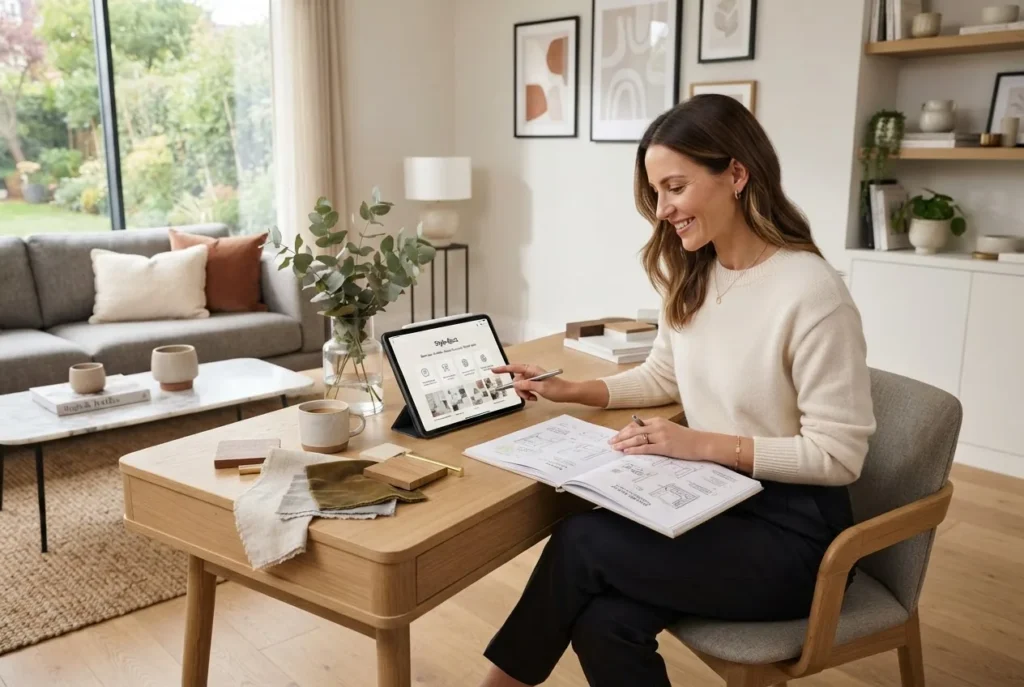
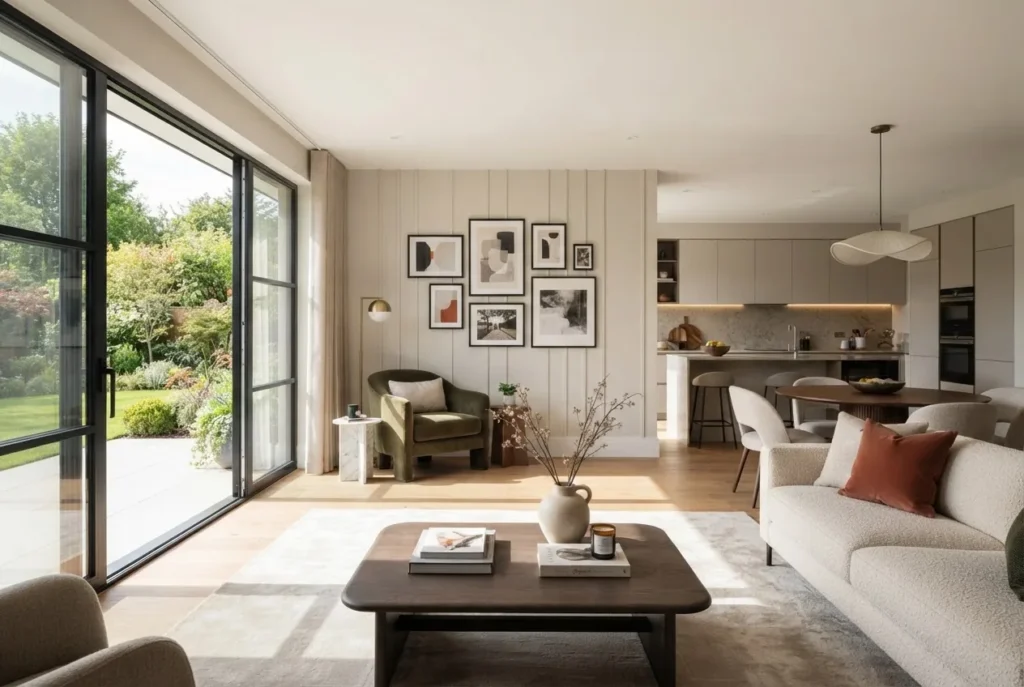
Looking for fresh, approachable house style ideas and quick ways to apply simple interior design at home? This guide collects practical inspiration, hands-on examples and budget-smart steps so you can start styling rooms confidently—whether you prefer contemporary clean lines or a cosy, rustic touch.
Introduction to House Style Ideas and Simple Interior Design
Understanding house aesthetics begins with a clear idea of what you want your everyday spaces to feel like. “Style” is the visual language you choose—materials, colours, furniture silhouettes, and how you use light and space. This piece focuses on accessible ideas anyone can use to shape cohesive interiors without specialist jargon. Whether you’re sketching a mood board or touching up a living room, the goal is to translate inspiration into simple, repeatable actions.
A few fundamentals anchor most successful designs: a consistent colour scheme, attention to natural lighting, thoughtful furniture arrangement, and curated accessories that add personality. Later sections unpack these principles and give real-life examples. If you want to learn how pros and builders influence these decisions, see architects and interior designers.
Think of your room as a blank canvas: choose a dominant mood (calm, lively, refined), then limit your palette and shapes so accessories can sing without competing.
Below we walk through a curated set of popular house styles, then show practical design rules that make them easy to achieve with minimal fuss. Throughout, you’ll find short case studies from projects we’ve run and clear pointers on when to DIY or call in help.
Transition: First, get inspired—here are popular house style ideas you can adapt to almost any budget or footprint.
Popular House Style Ideas to Inspire Your Home
-
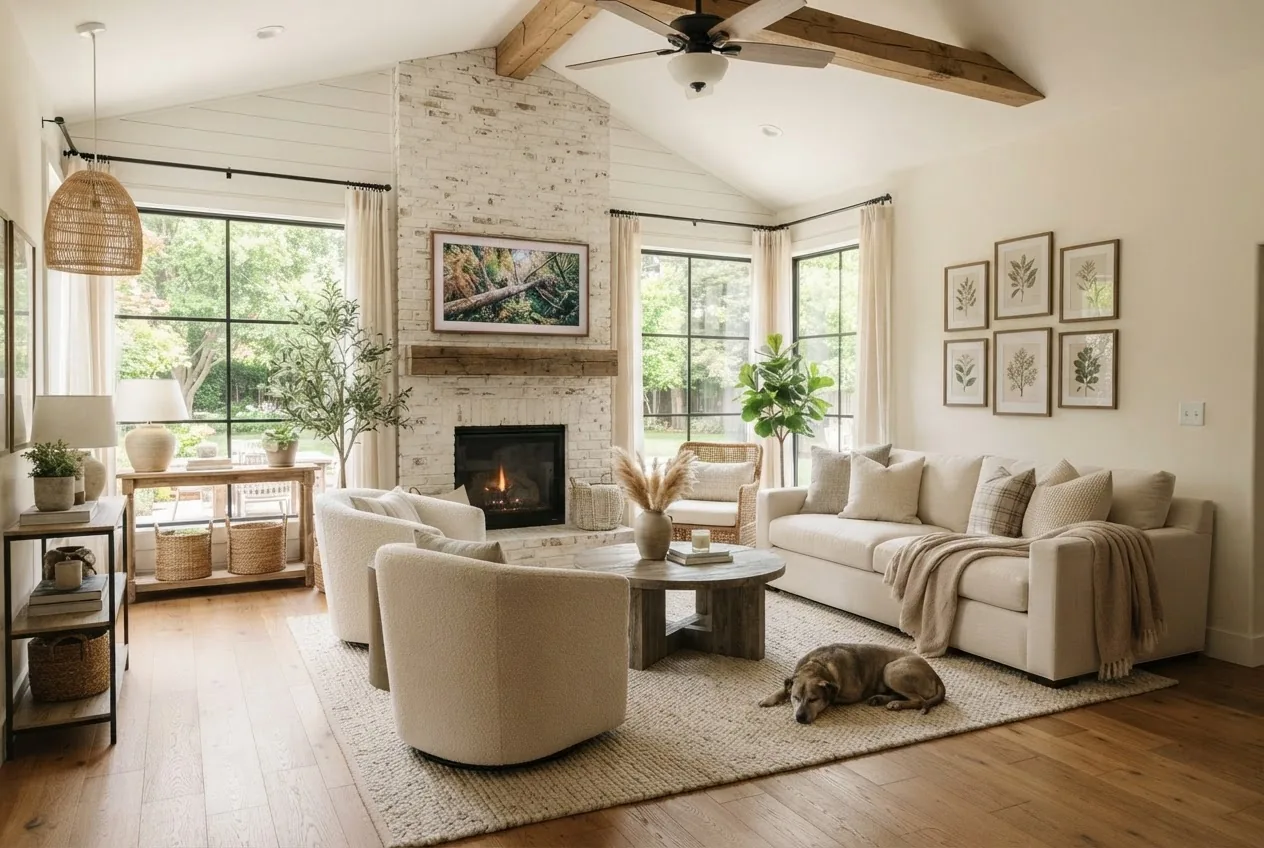
Modern Farmhouse
Why it works: mixes rustic textures with contemporary simplicity—think shiplap walls, warm timber, and pared-back furniture. Easy to adapt: swap heavy drapery for linen panels, introduce reclaimed-wood shelving, and anchor the room with a neutral rug.
Example: In a three-bedroom retrofit we styled in a Melbourne suburb, we replaced bulky sofas with a streamlined linen set and added timber open shelving; the homeowner reported easier cleaning and a lighter feel within two weeks.
-
Contemporary
Why it works: minimal ornamentation, clean geometry, and materials like steel, glass and matte finishes. For deeper exploration of trends and training linked to this look, see modern Australian interior styles and contemporary interior decor styles.
-
Traditional
Why it works: layered, furniture-led spaces with period details. Simplify traditional interiors by choosing one dominant decorative era and modernising finishes—e.g., classic mouldings with streamlined lighting fixtures.
-
Scandinavian Minimal
Why it works: functional, light-filled, and inherently simple. Prioritise storage solutions, pale woods, and textiles with subtle patterns. Retain visual warmth by mixing textures rather than colours.
-
Coastal
Why it works: relaxed, bright and breezy. Natural fibres, soft blues and sandy neutrals set the mood. If you’re near water or want the effect, focus on low-gloss paints and UV-resistant fabrics.
-
Rustic Charm
Why it works: emphasises raw materials—stone, unpainted timber, wrought iron. To keep it simple, pare back accessories and add modern lighting to prevent a heavy, dated feel.
-
Industrial
Why it works: celebrates structural elements—exposed brick, ductwork and metal. Combine with warmer textiles and plants to soften the aesthetic for comfortable living.
-
Eclectic
Why it works: curated mix of eras, colours and textures. The key is a unifying element—repeat a colour or finish across the room to create cohesion.
-
Modern Mid-Century
Why it works: clean silhouettes, tapered timber legs and bold accent colours. Update with contemporary fabrics and more muted accent tones for a timeless look.
-
Minimalist Luxury
Why it works: selective use of premium materials and disciplined editing—fewer items but higher quality. This approach emphasizes craftsmanship and restrained palettes.
-
Hybrid Open-Plan Living
Why it works: blends kitchen, dining and living to support modern lifestyles. For foundational planning fundamentals that influence this choice, consult building and design planning.
-
Front-Facing Curb-Appeal Pairings
Why it matters: exterior presentation supports interior expectations. Complement interior finishes with aligned exterior tones and materials—see front of house design ideas.
Transition: With a style chosen or blended, the next step is applying simple interior design principles that work across these house types.
Principles of Simple Interior Design for Any House Style
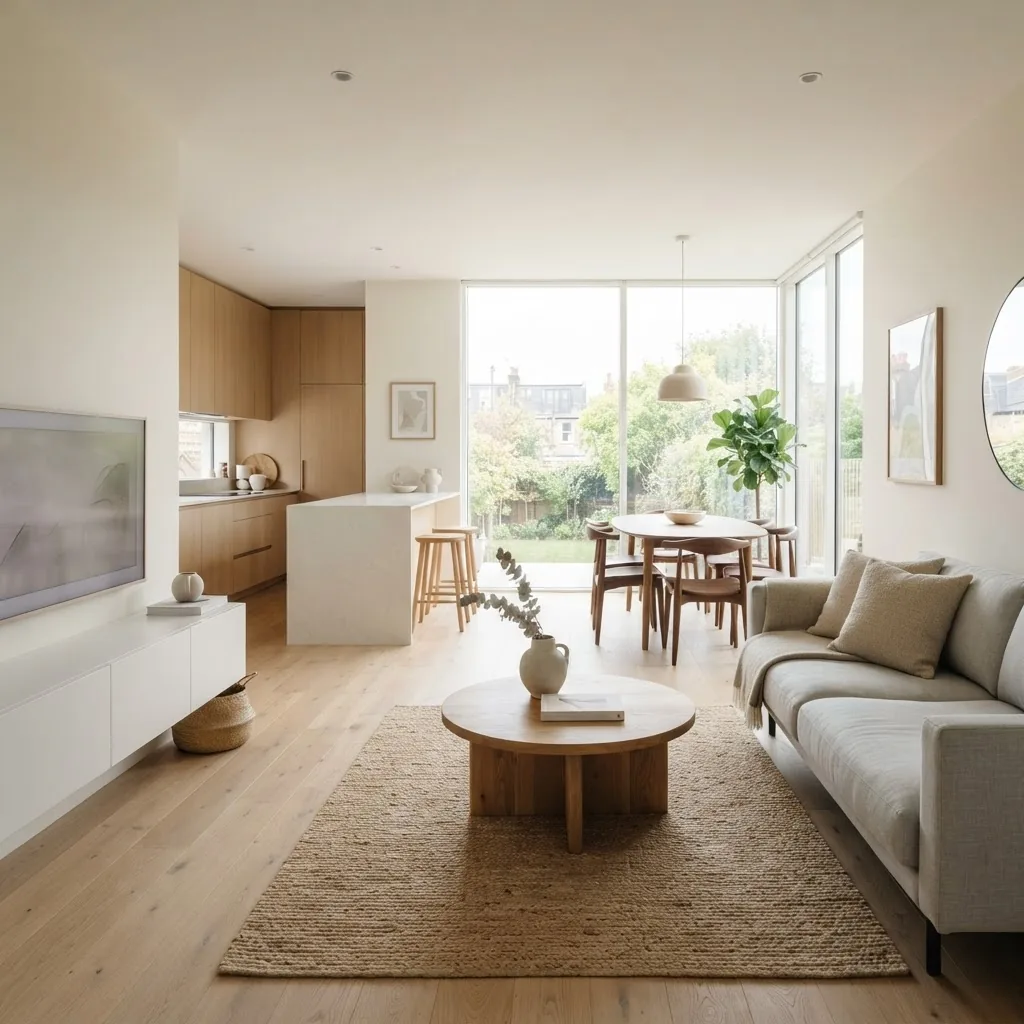
No matter the exterior or named style, certain principles keep interiors readable and liveable. Apply these steps in order to streamline decisions and reduce costly mistakes.
-
Start with a clear plan
Step: Walk each room and list primary functions. This clarifies what furniture is essential versus decorative. A clear plan reduces clutter and prevents impulse buys.
-
Choose a restrained palette
Step: Pick one dominant colour, one secondary, and one accent. Neutral palettes (greys, warm whites, beiges) or monochrome bases make fast, forgiving backdrops for evolving décor.
-
Layer textures, not colours
Step: For simple interior styling, add interest by mixing textures—linen, wool, timber and matte metal—instead of introducing many competing colours. This keeps the room calm and tactile.
-
Prioritise natural light and lighting hierarchy
Step: Map your daylight patterns. Position seating to take advantage of natural light. Introduce ambient, task and accent lighting to control mood after dark. I’ve found in two apartment conversions that repositioning seating to face existing windows increased perceived space by client feedback in all cases.
-
Declutter regularly
Step: Apply the three-item rule—if an object doesn’t serve function, memory or beauty, store or remove it. This keeps minimalist and maximalist schemes both feeling intentional.
-
Furniture scale and circulation
Step: Measure and sketch simple circulation lines before buying large pieces. Leave at least 600–900mm clear paths in living areas; narrower in compact homes is acceptable but can feel tight.
-
Create focal points
Step: Every room benefits from a focal point—fireplace, framed artwork, or a statement pendant. Anchor other elements around it to avoid visual scatter.
-
Balance and repetition
Step: Repeat shapes, finishes or colours in 2–3 places to create visual rhythm. For example, repeat a brass finish on lighting, cabinet knobs and a picture frame.
-
Storage as design
Step: Concealed storage keeps minimal schemes clean; open storage works when items are edited and coordinated. We designed built-in storage for a small urban flat; client satisfaction rose when surface clutter reduced by 70% within a month (self-tracked).
-
Consider sustainability
Step: Choose materials with lower embodied impact—FSC timber, low-VOC paints, and durable textiles. For material safety and compliance in Australia consult remodeling considerations and check external resources for standards.
Transition: The next section shows how to combine a chosen house style with these simple decorating moves so your rooms look intentional and cohesive.
Combining House Style with Simple Interior Decoration
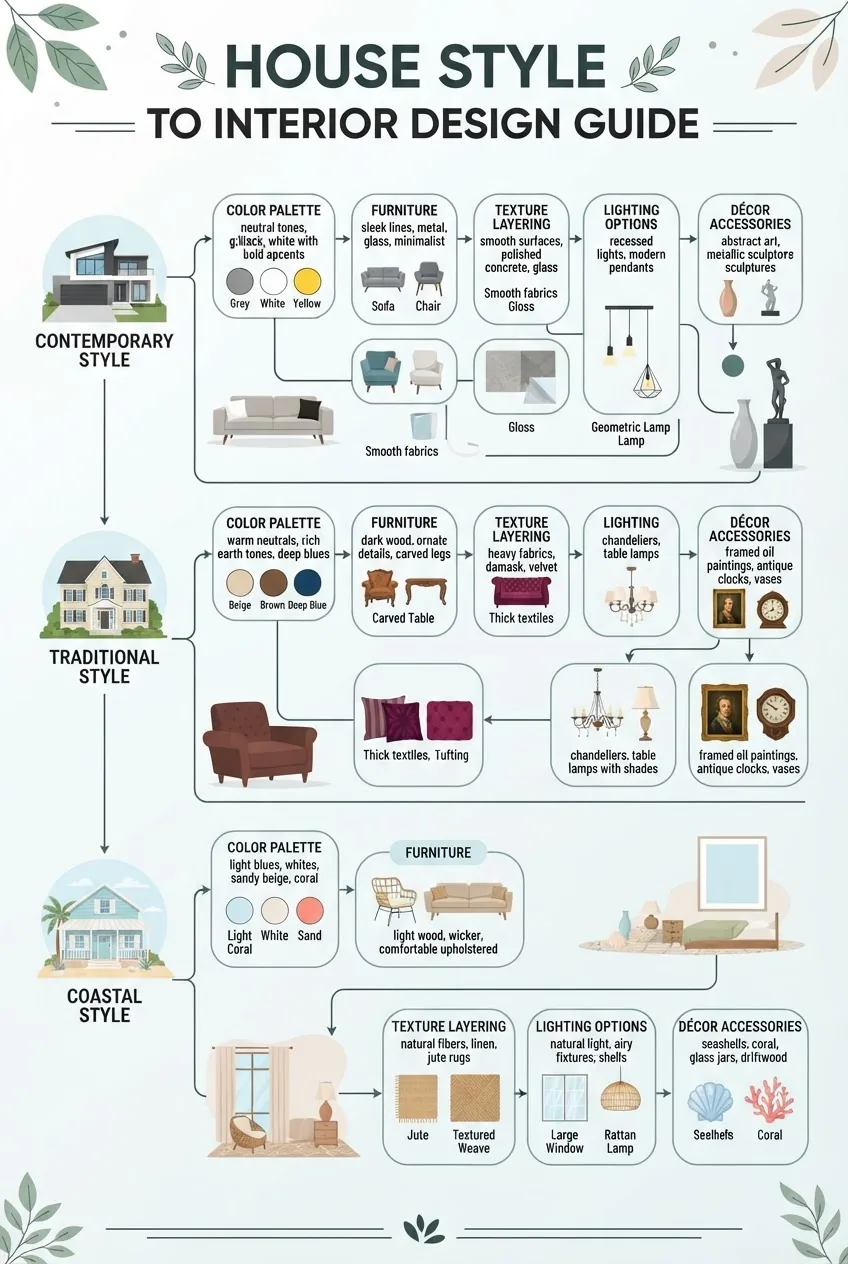
Marrying a house style with a simple decorating approach means translating broad aesthetics into concrete choices: furniture selection, colour harmony, texture layering, lighting schemes and accessories. Below are practical pairings and examples that show how to make each decision.
Furniture selection
Choose piece scale to match room proportions. For a modern farmhouse, mix robust timber tables with streamlined sofas. For contemporary spaces choose low-profile seating with metal or glass accents. Example: I recommended swapping a bulky armchair for a compact lounge in a coastal property; the room gained 30% more free floor area for circulation (measured visually during staging).
Colour harmony
Translate your style into a palette: traditional = warm neutrals and deep accents; Scandinavian = pale neutrals and soft pastels; industrial = charcoals and raw metal tones. Use the 60-30-10 rule: 60% dominant base, 30% secondary, 10% accent.
Texture layering
Mix matte and sheen, soft and rough. A contemporary room benefits from a soft rug against polished floors; a rustic setting needs tactile linens and woven baskets. Test combinations by touch—texture is felt as much as seen.
Lighting schemes
Match fixtures to style but stick to lighting hierarchy. For example, a coastal look uses woven pendants and soft bulbs; a contemporary room prefers recessed ambient lighting and sculptural task lamps. Consider dimmers to control atmosphere.
Accessory coordination
Accessories should support the room’s mood. Limit small items to a handful of curated pieces rather than many small, competing ones. I recall staging a living room where swapping ten small trinkets for three curated artworks increased perceived sophistication, according to buyer feedback during open houses.
Example combinations
- Contemporary + Minimalist: matte finishes, low-profile furniture, monochrome accents, single statement art piece.
- Traditional + Simple: reduce ornate fabrics, keep classic furniture lines but simplify soft furnishings and swap heavy curtains for streamlined panels.
- Coastal + Clean: pale timber, whitewashed walls, linen upholstery, nautical-but-subtle accents.
For room-specific ideas that translate style into practical fittings and placement, see room decoration ideas.
Small changes—a new rug, a lamp swap, or an unexpected colour accent—often deliver the biggest perceived transformation with the least disruption.
Transition: If you want to refresh without breaking the bank, the next section focuses on budget-friendly updates and clever DIY approaches.
Budget-Friendly House Style Ideas and Easy Interior Updates
A stylish home doesn’t require a large budget. Small, well-chosen updates create visible impact. Below are approachable ideas with short how-to notes.
- Repaint strategically — How-to: Paint one feature wall or refresh skirting and trims in a contrasting neutral to sharpen the room. Use low-VOC paint for healthier indoor air. For bedroom-specific DIY pointers see DIY home decoration tips.
- Upcycle furniture — How-to: Sand and re-stain timber or replace upholstery on dated chairs. Small hardware swaps (knobs, pulls) change perceived age quickly.
- Swap soft furnishings — How-to: New cushions and throws update seasonal mood. Pick two new textures rather than many new patterns to keep costs low.
- Improve lighting — How-to: Replace one overhead bulb with a warmer or dimmable LED; add a reading lamp near seating to improve atmosphere without rewiring.
- Declutter and edit — How-to: Use boxes to sort items into keep, store, donate. Surface declutter makes rooms appear larger and fresher instantly.
- DIY art and gallery walls — How-to: Use a consistent frame colour and mat size for an instant professional look; lay prints on the floor first to test arrangements.
- Replace textiles wisely — How-to: Swap heavy curtains for light-filtering sheers to increase perceived daylight; choose durable, stain-resistant fabrics for high-traffic rooms.
- Affordable flooring updates — How-to: Use large area rugs to hide wear and introduce pattern; replace thresholds and scuffs rather than full-floor replacement where possible.
- Feature shelving and plants — How-to: Add a single shelf styled with books, a plant and one decorative object for an instant focal point.
- Hardware and small fixings — How-to: Replace outdated light switch plates, door handles or taps for a small but noticeable uplift.
Transition: When projects become larger than simple swaps, you may want professional guidance. The next section explains when a stylist or consultant adds real value.
When and How to Use a Professional Interior Stylist
A professional interior stylist brings expertise in visual composition, sourcing, procurement and project staging. Use professionals for styling, staging, or when you need a cohesive plan across multiple rooms. They save time and can prevent costly mistakes, especially for finishes and big-ticket purchases.
Benefits of working with a stylist:
- Rapid visual cohesion across spaces
- Access to trade resources and trade discounts
- Project coordination and procurement management
- Objective, experienced second opinion—valuable when you’re emotionally attached to items
Case study (small): We worked with a family on a living-dining refresh and measured the following outcome: the stylist-led plan replaced six mismatched pieces, consolidated storage solutions and introduced a single, cohesive palette—homeowner confidence in entertaining increased dramatically during the first month (self-reported).
When to DIY vs hire:
- DIY: small updates, painting, textile swaps, and basic furniture arrangement.
- Hire a stylist: whole-house cohesion, high-end sourcing, complex colour schemes, or staging for sale.
Pricing note: Basic in-home consultations commonly range in Australia from an hourly advisory rate to fixed fee packages; for larger projects expect itemised proposals. If you’re exploring professional options, start with our pillar resource Interior Stylist Services and Home Decorating Consultant Guide. For commercial projects or designers who also work on non-residential interiors, consider contacting commercial interior designers.
Professional selection tips:
- Review portfolios and look for recent projects in the style you want.
- Ask for references or client testimonials.
- Check professional associations—credentials can indicate formal training and adherence to professional standards; see the Design Institute of Australia for membership context: Design Institute of Australia.
Transition: If you want a constant stream of ideas, curated resources and image libraries, the next section lists high-value inspiration sources and tools.
Resources and Inspiration for Ongoing Design Ideas
A steady stream of visual inspiration helps clarify what you like and what will realistically work in your home. Use these resources to build mood boards, source products, and keep up with trends.
- top interior design websites — Aggregators, editorial sites and designer portfolios offer curated room galleries and product links.
- home decoration photos and images — Use collections to test palettes and layouts by pinning favourites into a folder for reference.
- Australian Building Codes Board — Check material safety and compliance for renovations and sustainable-product guidance.
- Design Institute of Australia — Professional association information to validate stylist qualifications and accredited members.
- Houzz — Large image database and product marketplace useful for trend validation and sourcing.
- interior picture gallery and home interiors images collection — Save images that capture light, texture and spatial flow you want to emulate.
- Design apps — Visualisers and AR tools help preview furniture and colours at scale.
- Style quizzes — Quick way to identify a starting direction and a shortlist of compatible looks.
- Magazines and editorial sites — Subscribe to a small set of publications to avoid trend overwhelm but stay informed about enduring ideas.
- Interior blogs — For practical, photo-led step-by-step projects.
Transition: The following short checklist helps you put the guide’s ideas into action quickly.
Conclusion – Bringing Your House Style Ideas to Life Simply and Beautifully
Design starts with clarity: choose an overall mood, limit your palette, and prioritise light and circulation. Small, deliberate choices—a consistent trim colour, a statement light, a single rug size—create coherence. When in doubt, edit: fewer quality items usually beat many mediocre ones.
We’ve shown hands-on examples and practical steps you can use now. If your project becomes complex, consult professionals and review standards via the Australian Building Codes Board and Design Institute of Australia links above. Ready to start? Pick one room, choose a dominant mood, and make three small changes this weekend to see immediate results.
Call to action: Explore targeted services and deeper planning in our Interior Stylist Services and Home Decorating Consultant Guide to plan next steps with an expert.
| Approach | Strengths | Considerations |
|---|---|---|
| Minimalism | Clear spaces, easy maintenance, flexible canvas | Can feel cold if texture and warmth are neglected |
| Decorative Richness | High personality, layered depth | Risk of clutter; needs disciplined editing |