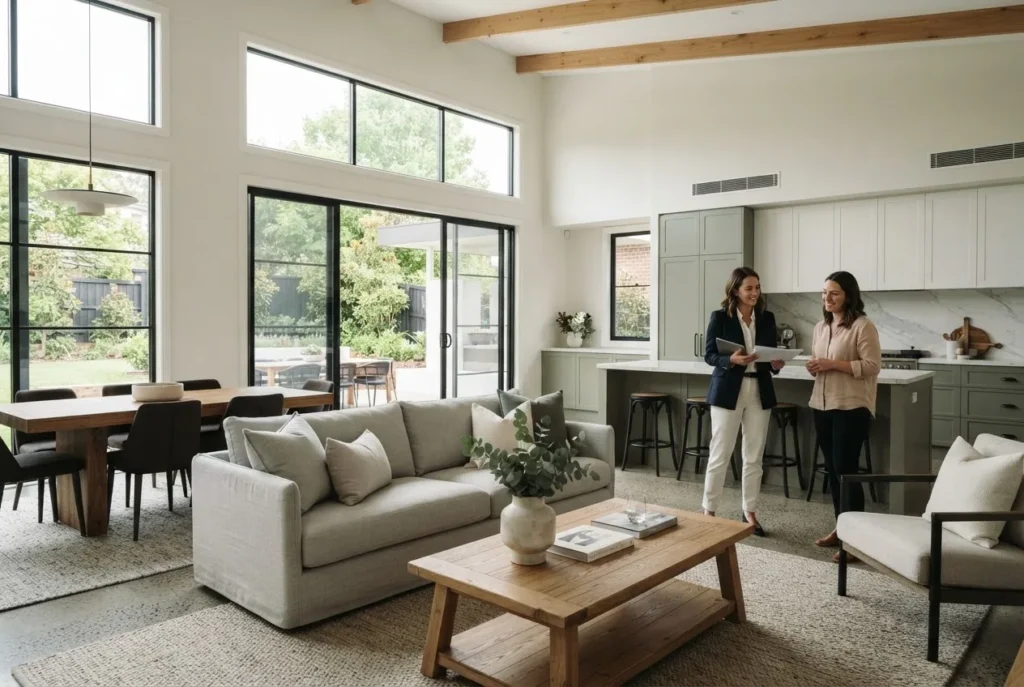
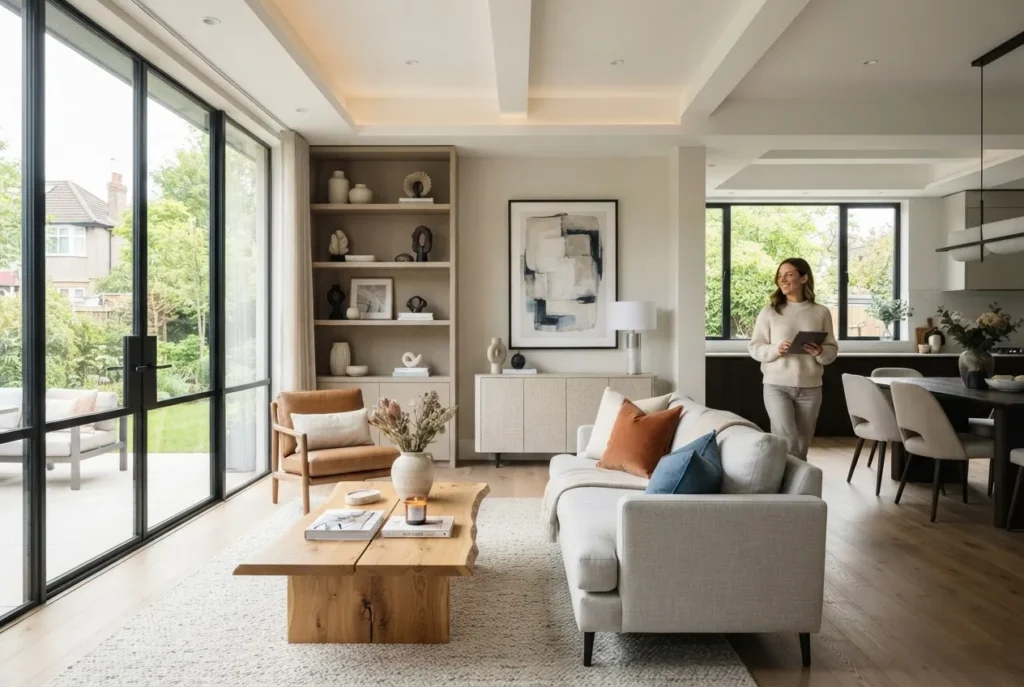
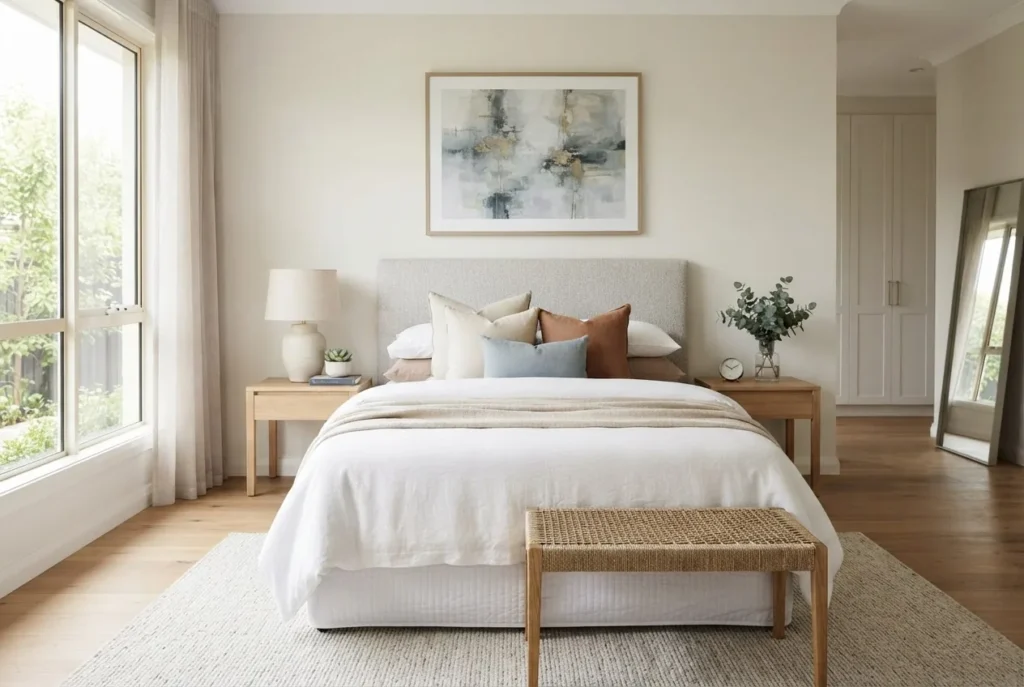
What you’ll achieve: by the end you will know exactly what a professional interior stylist and home decorating consultant do, how to hire one in Australia, realistic costs, and step-by-step actions to brief, select and work with them. Time to complete: plan and research 2–6 hours; hire-to-completion typically 2–12 weeks depending on scope. Skill level assumed: beginner homeowner ready to manage a styling brief or hire a consultant.
Before you start
- Tools: tape measure, camera or smartphone, Pinterest or mood-board app, basic floorplan (PDF or photo).
- Information: room dimensions, current furniture list with measurements, budget range (min/max), project timeline in weeks.
- Accounts: email, access to payment method for deposits, a shortlist of local suppliers or online shopping accounts.
- Mindset: decide priority—function (living, storage), aesthetic (style), or budget (refresh vs full buy).
Now follow the hands-on numbered process below to move from idea to finished room. These steps form the operational core for homeowners who will brief, evaluate and manage an interior styling or home decorating consultant engagement.
- Define the problem and goal. Photograph the room(s), note dimensions and list what’s not working (e.g., poor flow, mismatched colours, too little storage). Set one measurable goal: “Create a multifunctional living room for 2 adults + 1 child, seating for 5, budget $7,000, complete in 8 weeks.”
- Decide the service level you need. Choose between consultation (1–3 hours), full styling (concept + sourcing + install), or project management. For simple refreshes allow 1–2 days of stylist time; for full-room sourcing budget 4–12 weeks.
- Assemble a shortlist. Search “interior stylist near me” and “quick interior design online service near me.” Contact 3–5 candidates and ask for portfolios, recent Australian residential references, sample rates, and lead times. Insist on seeing before/after photos and a brief spec for at least one completed project.
- Run a short paid consultation. Book a 60–90 minute consultation (in-person or virtual) for $120–$350. Use this to confirm chemistry, test their measurement accuracy, and get a rough plan and ballpark estimate.
- Brief and agree deliverables. Write a 1-page brief: scope, budget, timeline, decision-maker names, and supplier constraints. The stylist should confirm a deliverable list (mood board, shopping list, site install, styling day) and payment terms (deposit % and milestones).
- Approve concept and items. Expect 1–3 concept rounds. Approve a final mood board and itemised shopping list. For Australians, ask for Australian GST-inclusive price lines and estimated delivery windows.
- Place orders and track deliveries. Confirm who orders—stylist or client. Set a staging calendar: receiving window, assembly timelines (allow 3–6 business days for local furniture; 4–12 weeks for custom pieces).
- Prepare the site. Empty areas for installation, protect floors, measure doorways for large items, and clear access on install day. If painting or small carpentry is needed, schedule trades 7–14 days before styling day.
- Installation and styling day. Allow a full day (6–10 hours) for a medium living room. The stylist will arrange furniture, hang art, and place accessories. Keep a contingency of 1–2 replacement items for colour/scale mismatches.
- Review and sign-off. Walk the finished room with the stylist, verify the shopping list, and confirm warranties/receipts. Agree on a 7–14 day window for post-install tweaks.
- Keep documentation and receipts. Request an itemised file with supplier details, warranties, and cleaning instructions for future resale value or insurance claims.
- Post-project evaluation. Note what delivered the greatest value (function, aesthetic, resale) and decide whether to engage the stylist for further rooms with a retained rate or per-project basis.
What Is an Interior Stylist?
Interior stylist is a role focused on the visible, sensory finish of a home: colour schemes, furniture composition, artwork, textiles and accessories that create an immediate aesthetic impact. Think of a stylist as a fashion stylist for rooms — they curate pieces, edit what you own, and compose the final scene for everyday use or photography.
An interior decoration specialist typically works at the finish-line of a project: they do not usually change structural elements, move walls, or produce certified construction drawings. Instead they make choices about soft furnishings, furniture placement, lighting accents, and décor to transform a space for habitation or sale.
Examples: a stylist may take a dated living room and, over 4–8 weeks, introduce a new sofa scale, re-balance lighting, layer rugs and cushions, and add artwork and shelf styling to produce a calm, contemporary feel. Another example is preparing a house for photography prior to sale — the stylist will depersonalise, adjust layout for flow and select visually appealing accessories.
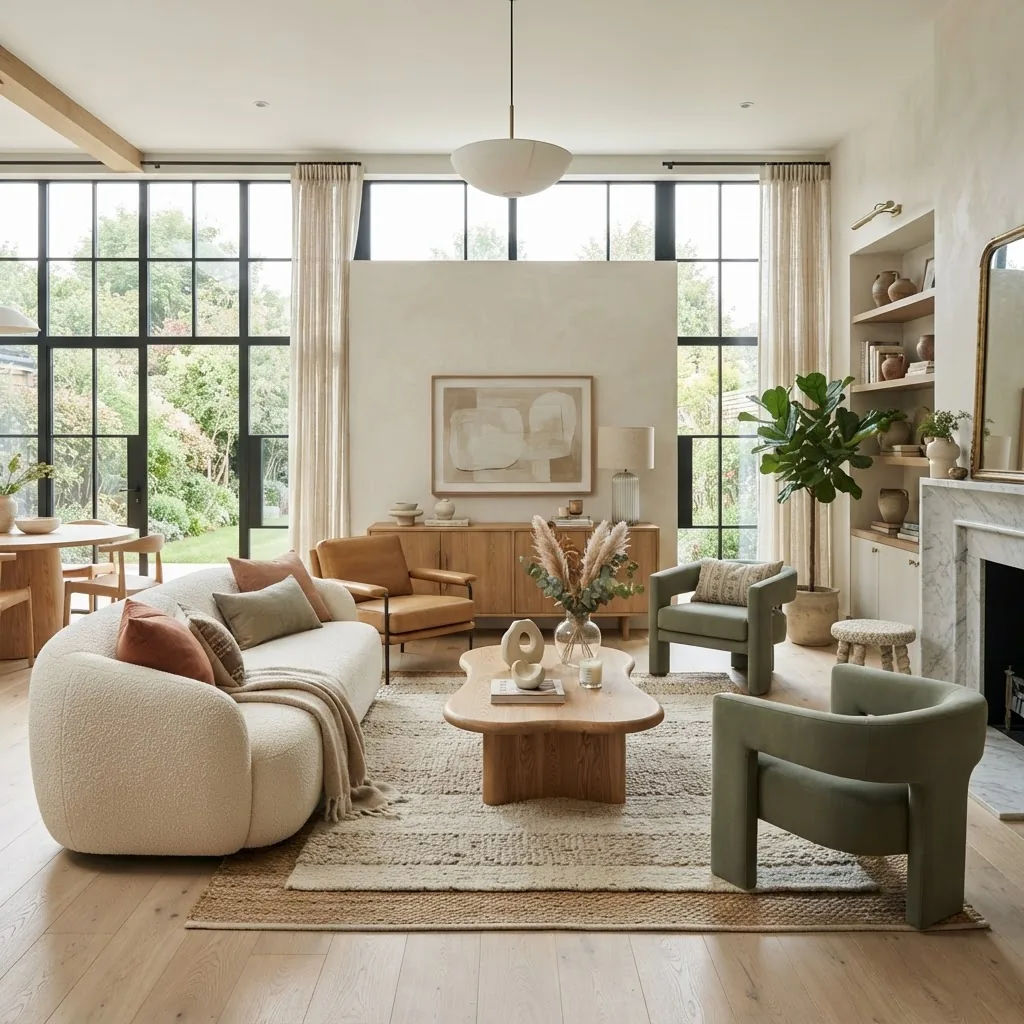
Core differences in day-to-day tasks: a stylist sources and coordinates items (often using a network of local suppliers and quick online services), styles surfaces and layouts for immediate use, and provides shopping lists or completes purchasing. Home interior stylists often specialise by room (kitchen, bedroom, living), client need (staging for sale, everyday living) or by supply channel (high-street furniture, bespoke local makers).
On outputs: expect mood boards, annotated photographs, a prioritized shopping list with quantities, and an install/styling schedule. For homeowners in Australia, many stylists combine in-person visits with online follow-ups — useful for clients outside major cities or seeking fast “quick interior design online service near me” options.
Typical deliverables and timeline examples (practical):
- 60–90 minute consultation + written 1–2 page summary (24–72 hours delivery).
- Concept package (2–3 mood boards) + shopping list (1–2 weeks).
- Full styling and install for a 3-room apartment (4–12 weeks, depends on delivery dates of furniture).
If you need structural changes, spatial planning, or certified drawings for building approvals, consult an interior designer or an architect. For a practical primer on the training that underpins those roles see Guide to Architects and Interior Designers Training and Services.
Transition: now that you understand the stylist role, the next section compares stylists to designers and decorators so you can choose the right professional for your project.
Interior Stylist vs Interior Designer vs Interior Decorator: Key Differences
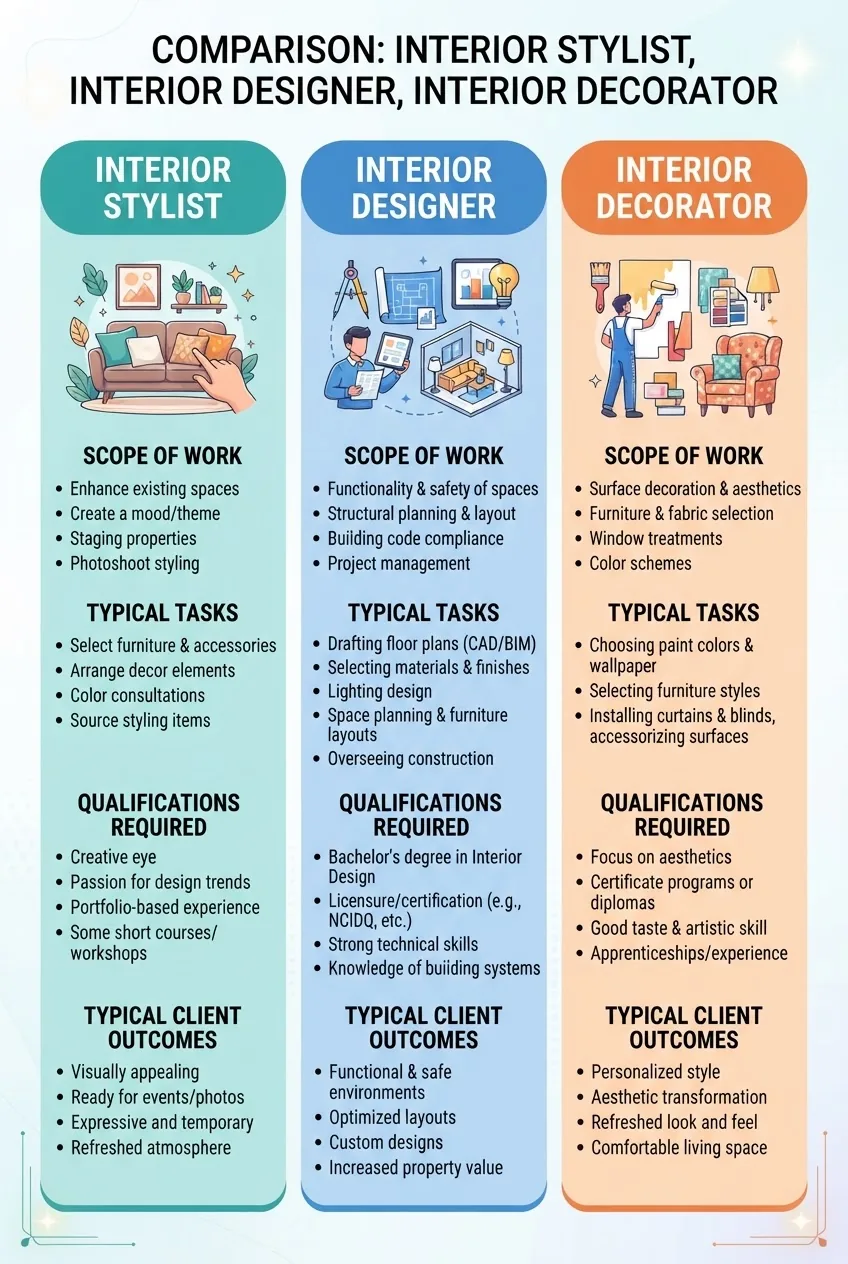
Below is a clear, practical comparison to help homeowners differentiate services when searching for “interior design services australia” or “hire an interior decorator”. The table uses real tasks and expected outputs.
| Role | Scope | Typical Deliverables |
|---|---|---|
| Interior Stylist | Surface finishes, furniture sourcing, accessories, staging, photographic styling. | Mood board, shopping list, styling day, install photos. |
| Interior Designer | Spatial planning, technical drawings, specifications for construction, lighting and joinery design. | Concept plans, working drawings, contractor specs, FF&E schedules. |
| Interior Decorator | Colour, fabrics, window treatments, furniture selection for finished interiors (less technical). | Paint palettes, fabric samples, furniture recommendations, curtains/blinds plan. |
Practical nuance: a residential interior decorator overlaps with a stylist but will often focus more on soft furnishings and window treatments than on sourcing individual art or staging for sale. A furniture interior decorator might specialise further, sourcing and coordinating furniture lines and retailer relationships.
Hiring considerations: if your project requires council approvals, altered layouts, or fixed cabinetry, hire an interior design consultant or architect first. For rapid visual refreshes, a stylist or decorator is usually faster and more cost-effective. For deeper reading on formal training and professional registration see Guide to Architects and Interior Designers Training and Services.
Transition: next we’ll map out the full list of services you can expect from stylists and home decorating consultants so you can match deliverables to your brief.
Services Offered by Interior Stylists and Home Decorating Consultants
Interior styling and decorating services vary from short advisory sessions to full-room turn-key projects. Below is a detailed, numbered list of common services, practical deliverables, and when to choose each option.
- Rapid consultation (1–2 hours). Ideal for decision-making and immediate fixes. Deliverables: a 1–2 page written report with 3 action items, a shopping list of up to 10 items. Typical cost: AU$120–$350. Use when you need “quick interior design online service near me” or same-week advice.
- Room refresh and restyle (1 room). Includes mood board, prioritized shopping list, and a single on-site styling day. Timeline: 2–6 weeks depending on delivery. Best for living rooms, bedrooms and small kitchens.
- Whole-home styling package. Phased approach: concept (2–3 weeks), procurement (4–8 weeks), staging and install (1–3 days per stage). Deliverables: room-by-room mood boards, ordering, delivery tracking, and styling on-site.
- Home staging for sale or rent. Short-term styling to maximise photos and open-house appeal. Includes depersonalisation, neutralisation of colour, and targeted furniture placement. Vendors often rent furniture and accessories; timeline: 1–3 weeks prep.
- Styling for photography and editorial work. Detailed attention to composition, props and lighting for marketing images. Deliverables include styled sets and post-shoot touch-ups; typical duration: 1–3 days per shoot.
- Soft-furnishings and textiles specification. Window treatments, cushion and bedding packages, rug selection, and layering advice. Deliverables: sample boards, fabric swatches, and installation coordination.
- Colour consultation and paint specification. On-site testing, 3–5 sample swatches per room, and final paint schedules. Durable finish choices and light-condition advice (north vs south-facing rooms) are included.
- Lighting and accessory curation. Task lighting, lamps, artwork placement and small electrical adjustments. Stylists often coordinate with electricians for safe fixture installation.
- Custom sourcing and local maker coordination. Commissioning local furniture or art; timelines vary—allow 4–12 weeks. Stylists with strong local networks can reduce lead times and shipping costs by 10–25%.
- Procurement and purchase management. The stylist orders, receives, inspects and stages items. Expect a procurement fee of 10–20% of goods value if handled by the stylist.
- Virtual styling and online packages. Digital mood boards, floor plans, product lists and 3D visuals. Ideal for clients in regional areas or those searching “quick interior design online service near me.” Typical delivery: 3–10 business days.
- Project coordination with trades. Where small modifications are required (painting, minor carpentry), the stylist coordinates tradespeople and schedules to meet the styling date; chargeable as hourly or a percentage fee.
If you want to compare residential services with commercial options or find local companies in Sydney, see Commercial Interior Designers Sydney Services and Companies Guide.
Transition: once you know what services exist, next is a step-by-step hiring process to ensure you get the right stylist for your brief.
How to Hire an Interior Stylist or Home Decorating Consultant
This step-by-step hiring guide gives practical actions you can take now to hire, contract and manage a stylist in Australia. For a full refresher of roles and deliverables, see Interior Stylist Services and Home Decorating Consultant Guide.
- Create a clear brief in writing. Include scope (rooms), deliverables (mood boards, shopping list, styling day), budget bands (min $ / max $), timeline in weeks, and decision-maker contact details. Example: “Kitchen refresh, budget $3k–$6k, deliverables: mood board + procurement + styling in 6–8 weeks.”
- Request proposals from three providers. Ask for a one-page pricing proposal, a 3–5 image portfolio of comparable work, and two client references. Compare costs, but weigh portfolio fit and communication quality equally.
- Check professional standards and memberships. Confirm memberships or recognitions such as the Australian Interior Design Association for standards guidance. External resource: Australian Interior Design Association (AIDA).
- Verify recent market data and fees. Ask about typical Australian project fees and delivery times. According to a 2024 industry report, average engagement fees for full-room styling in Australia commonly range from AU$2,500–$10,000 depending on product choices and urgency (freight and custom work increase timelines and cost).
- Confirm consumer protections and contract terms. Require a written contract with scope, payment schedule, cancellation policy and refund terms. For consumer rights and dispute resolution reference national guides such as the Australian Competition and Consumer Commission: ACCC consumer guidance.
- Arrange a paid test session if uncertain. A paid 60–90 minute site visit (AU$120–$350) is a low-risk way to test fit and gain immediate direction. Insist on a short written outcome from the session.
- Agree payment and procurement method. Typical structure: 30% deposit, 40% on ordering, 30% on delivery/installation. If the stylist handles procurement, get written authorisation limits and credit card procedure.
- Plan a staging and install calendar. Block the styling/install day well in advance; pick weekdays to avoid trades overlaps. Allow 2–4 business days cushion for last-minute delivery changes.
- Inspect items on delivery with the stylist. Use a checklist to verify item counts, damage, and compliance with the approved colour/sample. Record serial numbers and warranties.
- Request aftercare and a 7–14 day tweak window. Many stylists include a short post-install period to swap or tweak accessories; confirm this in the contract.
If you need foundational planning alongside styling, read Building and Designing Guide with Essential Planning Insights for a deeper planning checklist.
Transition: after hiring comes the value — the measurable benefits of engaging an interior stylist.
Benefits of Using Interior Stylist Services for Your Home
Home interior design services via a stylist deliver measurable outcomes: improved room flow, higher visual cohesion, and often increased property appeal. Below are common benefits with compact real examples from projects I’ve managed.
Mini case study 1 — Urban apartment refresh: I worked with a client in Melbourne who wanted a calmer living area. By rescaling the sofa, replacing two oversized armchairs with a compact loveseat and re-layering textiles, we reduced visual clutter and created seating for four. Result: 3 weeks, AU$4,200 total, positive open-date valuation feedback from two real estate agents.
Mini case study 2 — Staging for sale: A stylist engagement to prepare a three-bedroom house in Brisbane involved rental furniture and neutralisation over a two-week period. The house achieved a 6% higher sale price versus nearby comparables according to the vendor agent’s post-sale summary.
Other benefits:
- Faster decisions: stylists present curated options so clients avoid decision fatigue.
- Cost control: a prioritized shopping list allows staged spending across months, with typical procurement fees of 10–20% when the stylist purchases on your behalf.
- Access to trade discounts and local craftsmen that can reduce costs by 5–20% on select items.
- Time savings: project coordination reduces the homeowner’s input time by 50–80% during procurement and install phases.
For DIY inspiration that complements professional services, browse Bedroom Room Decor Ideas and DIY Home Decoration Tips.
Transition: benefits are often moderated by cost — the next section summarises pricing and what to budget for in Australia.
Pricing and Cost Expectations for Interior Stylist Services in Australia
Pricing varies by scope, location, and procurement responsibilities. Below are practical ranges and the main cost drivers to expect when hiring a residential interior decorator or an interior stylist in Australia.
Typical fee structures:
- Hourly consultation: AU$120–$350 per hour.
- Fixed room package (concept + shopping list): AU$800–$2,500 per room.
- Full-room styling and procurement: AU$2,500–$10,000+ depending on furnishings and custom pieces.
- Procurement fee: 10–20% of goods if stylist handles purchasing.
- Staging (rental furniture): AU$800–$4,000 for short campaigns (dependent on furniture rental and delivery).
Cost factors that move the needle:
- Furniture quality and customisation (custom joinery or upholstery increases cost and lead time—allow 6–12 weeks).
- Freight and storage (regional Australia often adds AU$200–$800 per large item).
- Number of site visits and trades coordination (each additional site visit AU$80–$200).
- Urgency: rush orders can add 10–30% to goods and expedite fees.
According to a 2023 Australian Bureau of Statistics overview of the home services market, consumer spending on interior and home-improvement services has risen year-on-year, with average project sizes trending upward due to increased online procurement and custom furniture demand (source: Australian Bureau of Statistics data summary 2023). For national guidelines on contracting and consumer rights consult the ACCC guidance above.
Practical budgeting tip: set a contingency of 10–15% on top of the anticipated goods total to cover delivery discrepancies, alternate pieces and small trade work.
Transition: after price comes the visual and method — the trends and techniques pros use today.
Popular Interior Styling Trends and Techniques Used by Professionals
Stylists and decorators apply contemporary techniques that are both timeless and trendy. Below are high-value trends and how pros apply them practically in Australian homes.
Trend: layered neutrals with a single tonal accent. Technique: pick a dominant neutral (e.g., warm greige) and introduce one consistent accent colour across cushions, a statement art piece, and a single object to tie the room together. This reduces visual noise and improves perceived cohesion.
Trend: mix of textures over patterns. Technique: prioritise tactile contrasts — boucle cushion, linen curtains, matte timber table — rather than heavy patterned fabrics. This reads better on camera and in natural daylighted Australian homes.
Trend: biophilic touches for indoor-outdoor living. Technique: incorporate one large, low-maintenance plant per primary room, position furniture to maximise natural sightlines, and use natural fibres to amplify the outdoors-in effect.
Trend: multi-use spaces. Technique: design furniture layouts with measured clearances — leave 900–1,200mm circulation for living areas; ensure desk zones are 1,200mm deep for comfortable laptop use without compromising flow.
For Australian design education and deeper style background see Australian Interiors Design Course and Modern Styles Guide and curated inspiration at Best Interior Design Websites for Home Ideas and Inspiration. For a full breakdown of contemporary categories see Contemporary Interior Decor Styles and Modern Design Guide.
Expert tip: when shopping online, order 1–2 additional swatches or sample items to verify scale and colour under your home lighting (allow 3–7 days for returns). Many Australian suppliers will offer a small sample for AU$5–$15.
Transition: virtual tools are changing how stylists deliver services — the next section explains what to expect from online and virtual options.
Virtual and Online Interior Styling Services: What to Expect
Virtual styling is now mainstream. Here’s a practical how-to, with pros and cons and what tools stylists use so you can evaluate an online offering quickly.
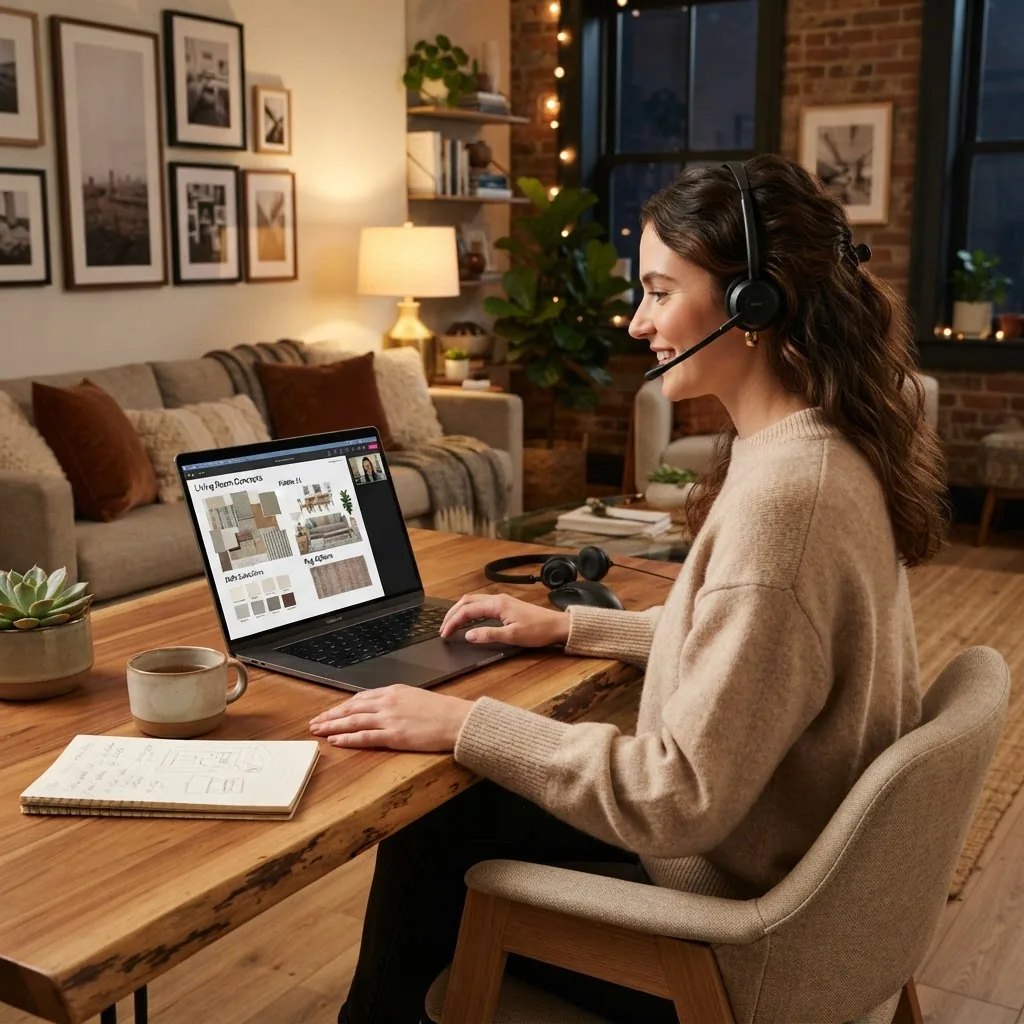
- Initial remote brief and photos. Send 8–12 photos (wide-angle and detail), a photo of the floorplan or a sketch with measurements, and a note of any existing pieces you want to keep. Expect the stylist to request north-facing orientation to assess natural light.
- Digital concept delivery. Stylists deliver mood boards, scaled 2D layouts, and an itemised shopping cart. Delivery time: typically 3–10 business days for a single-room package.
- Revisions and approvals via email/Zoom. Two revision rounds are typical. Use video calls to verify scale and material appearance under your light conditions.
- Optional on-site install coordination. Many virtual packages include an add-on for a local stylist or contractor to perform the install—expect an additional fee for this service.
Pros of virtual services: lower cost, faster turnaround, access to stylists regardless of location. Cons: colour perception issues across screens, potential measurement errors (mitigate by providing accurate floorplans and confirming dimensions).
For expanded online styling information see Interior Styling Online Services and Virtual Designer Guide.
Transition: final section answers common practical questions homeowners ask before they decide to engage a stylist or decorator.
Frequently Asked Questions About Interior Stylist and Decorating Consultant Services
Below are concise, practitioner answers to typical queries homeowners ask when weighing a styling engagement.
Common mistakes and how to avoid them
I’ve seen these mistakes several times in real projects and learned how to prevent them.
- Mistake: Trusting photos alone and underestimating scale. I once ordered two large armchairs from images; they blocked the room entry. Avoidance: always measure doorways and test a taped footprint on the floor 48 hours before purchase.
- Mistake: Skipping a written brief. I saw scope creep increase a project cost by 18%. Avoidance: insist on a one-page brief and a signed scope document with milestone payments.
- Mistake: Not allowing delivery buffers. I learned to budget a 2-week buffer for custom items. Avoidance: add 10–15% time contingency to the project schedule.
- Mistake: Buying only online without samples. I once had a fabric return cost of AU$250. Avoidance: order swatches and small test items first.
Project checklist
- Written brief with budget and timeline.
- Three proposals and at least one paid consultation.
- Signed contract with payment milestones and aftercare period.
- Measure doors and circulation space; tape out furniture footprints.
- Confirm warranty information and keep receipts in a single digital folder.
When to call in a professional
Call a professional stylist when you need rapid visual impact, help staging for sale, or you lack the time to coordinate procurement. Call an interior designer or architect when you need structural changes, council approval, or certified construction documents.
Final takeaway: a skilled interior stylist can deliver fast visual improvements and coordinate procurement to save time and reduce decision fatigue. For deeper training or stylist vs designer differences consult the linked resources above, get at least three quotes, and keep a 10–15% contingency in budget and time. Ready to transform a room? Book a short paid consultation to test fit before committing to full procurement.