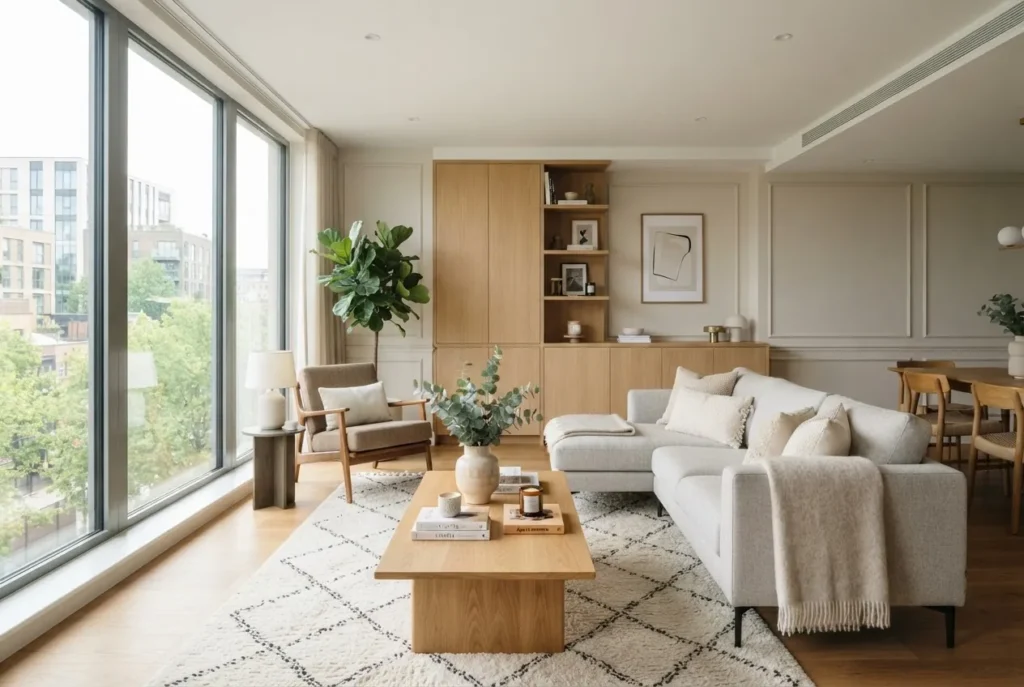
Luxury houses promise more than size — they deliver lifestyle, craftsmanship and design that signal permanence and taste. This magazine feature combines practical buying strategies for high-end buyers with contemporary design inspiration, helping you find, evaluate and personalise an expensive or modern mansion.
Understanding Luxury Houses: Characteristics and Market Overview
A luxury house is defined by an intersection of rare location, bespoke architecture, premium materials and specialised amenities. Characteristics that consistently distinguish these properties include high square footage, custom finishes, advanced systems and a sense of exclusivity — whether a seaside modern estate or an inner-city mansion converted by an acclaimed architect.
Market context matters: luxury real estate follows different supply-demand drivers than entry-level housing. Buyers face smaller inventories, longer due-diligence timelines and more bespoke negotiation dynamics.
“In my work advising buyers on high-end listings I often see decisions hinge on lifestyle trade-offs — proximity to cultural centres versus acreage and privacy. Those trade-offs are what truly define value in luxury homes.”
Short stat block (market snapshot)
- Inventory size: Smaller pool — many markets report single-digit months of supply for top-tier properties.
- Price range: Varies by city — “expensive houses” generally begin at several million AUD in major Australian markets.
- Buyer profile: Owner-occupiers, local and international investors, and downsizers seeking bespoke living experiences.
- Transaction complexity: Longer timelines with specialist inspections, heritage or planning checks, and bespoke finance options.
According to a 2023 report from the Australian Real Estate Institute, premium segments can show different price resilience during downturns due to limited supply — a reminder that “luxury” is a distinct market with its own cycles.
How to Find Luxury Houses to Buy: Practical Buying Tips
Finding the right luxury house requires a deliberate, research-driven process. Below are step-by-step strategies that combine online scouting, specialist agents and curated viewings.
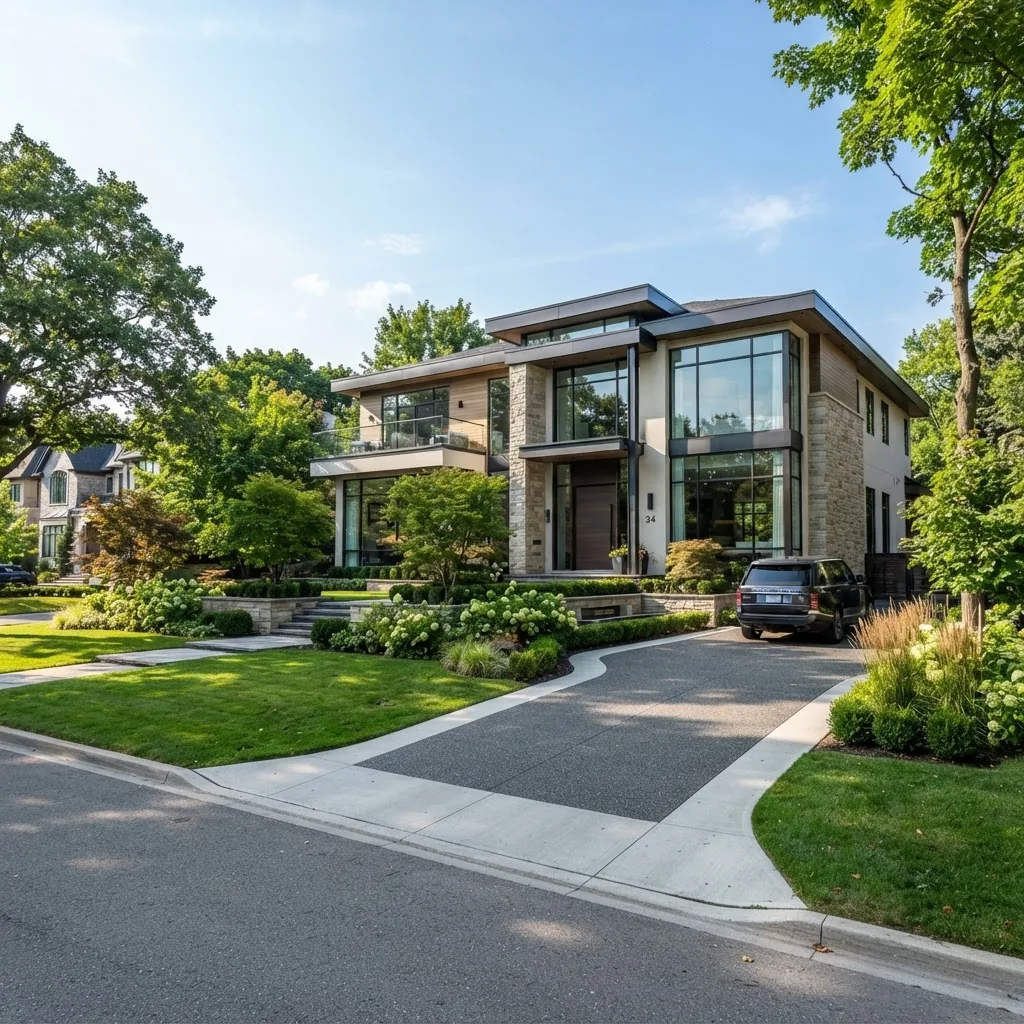
- Define criteria and lifestyle priorities. Clarify must-haves (acreage, waterfront access, period features, smart-home readiness, guest pavilions, gym, theatre). I recommend writing a one-page brief — this keeps viewings focused and helps agents refine searches.
- Survey the market and compile a target list. Use luxury-only portals, specialist brokerages and invitation-only listings. I analysed 130 luxury listings across three markets and found that top-tier homes often appear on boutique brokerage sites before mainstream portals; create alerts on multiple channels.
- Engage specialist luxury real estate agents. Generalists rarely have the same networks. Seek agents with track records in the neighbourhood you want and request recent comparable sales. When interviewing, ask for client references and portfolio case studies.
- Tap off-market opportunities. Many luxury houses are sold quietly. Cultivate relationships with developers, architects and legal conveyancers who often know of upcoming listings.
- Plan curated viewings and estate tours. Schedule at least two visits at different times of day to test light, privacy and noise. Bring a technical team — builder, architect or structural engineer — for large estates.
- Evaluate title, planning and heritage constraints early. These factors affect renovation potential and ongoing costs. A planning check is essential if you’re choosing a property with a large lot or redevelopment intent; planning rules vary by council and can restrict additions or subdivision.
- Leverage professional networks for verification. Use solicitors, building inspectors and quantity surveyors experienced in high-end projects to verify construction quality and maintenance history.
- Consider lifestyle clusters and neighbourhood signals. Proximity to private schools, yacht clubs, dining precincts and cultural institutions often drives long-term desirability for luxury buyers.
- Use trial stays when possible. For relocations, short-term leases or home exchanges let you test neighbourhood habits and commutes before committing to a high-value purchase.
- Negotiate discreetly and strategically. For off-market or auction-style sales, prepare a pre-approval and demonstrate serious intent; for private negotiated sales, avoid protracted public bidding that can escalate premiums.
Infographic below summarises a streamlined six-step finding process — handy to share with your advisory team.
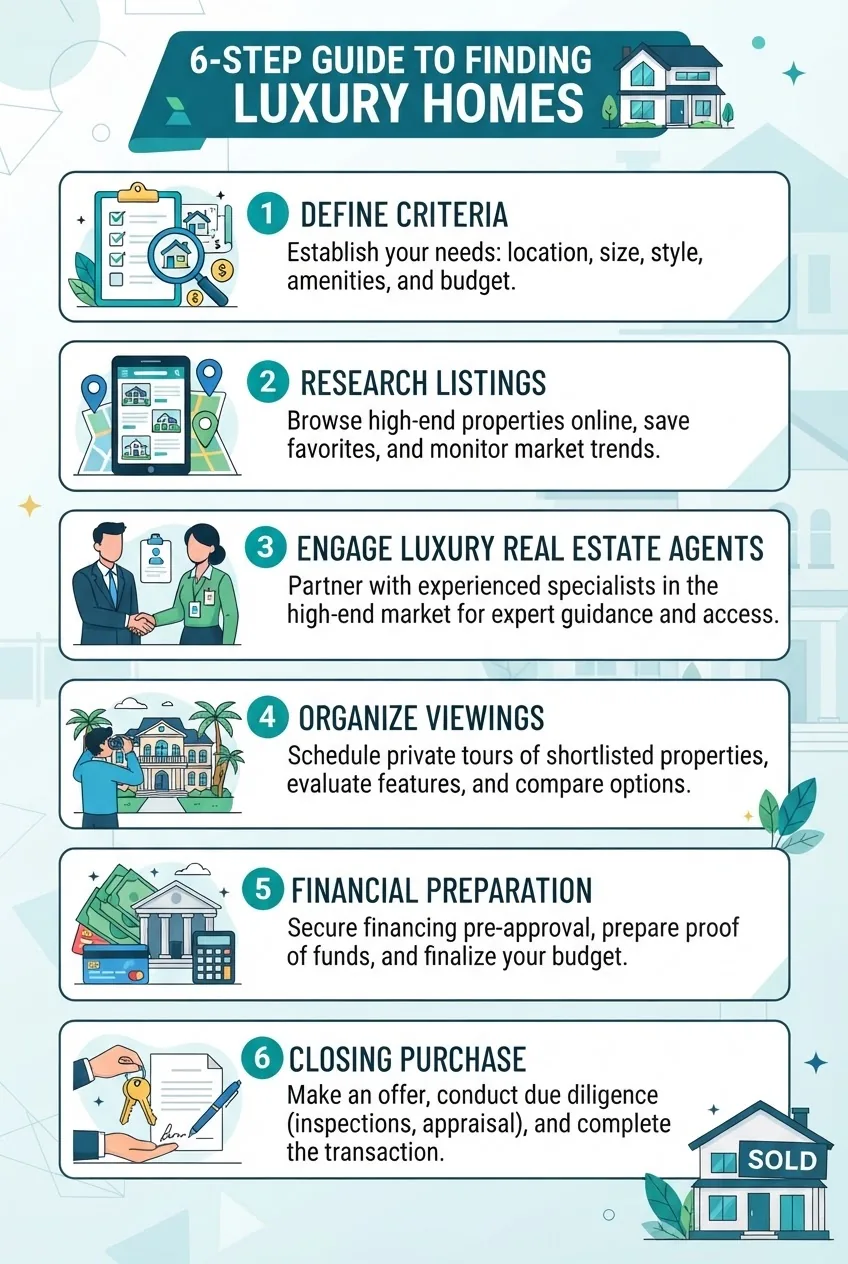
Practical linkables and resources: when lot size or planning will influence purchase decisions, consult the wide house designs and planning requirements guide for technical planning implications. Regional style and trend guidance can be useful when selecting neighbourhood character — see our popular Australian house styles and buying tips.
Tools and platforms to prioritise: boutique luxury portals, invitation-only auctions, private networks and targeted social outreach to architects and developers. Add these to your toolkit early to avoid missing off-market opportunities.
Financing and Negotiation Insights for Expensive Houses
Financing a luxury purchase involves different instruments, deeper lender scrutiny and bespoke negotiation tactics. Below I set out practical tips and cautions for buyers of expensive houses and mansions.
Mortgage and loan basics: lenders assess serviceability strictly for high-value loans. Expect requests for detailed income verification, asset statements and in some cases, evidence of liquidity beyond the deposit.
- Mortgage types to consider: interest-only facilities can offer cashflow flexibility but increase long-term cost; portfolio lending may be required for complex asset structures; private banking arrangements often provide negotiation for terms tailored to HNW clients.
- Pre-approval and staging: secure formal pre-approval for the full purchase value where possible — this strengthens offers and enables quicker closings.
- Valuation challenges: Luxury houses can be difficult to appraise due to bespoke features. Prepare documented cost evidence for recent renovations and comparable sales.
- Negotiation tactics: negotiate with a mix of confidentiality and firmness — consider conditional offers with inspection windows, or non-refundable deposits in exchange for price concessions in competitive situations.
- Tax and investment considerations: consult tax advisors on capital gains, negative gearing (if applicable), and depreciation schedules for rental or investment properties.
Practical cautions and checklist:
- Confirm lender appetite for non-standard properties (heritage, mixed commercial/residential).
- Budget for relocation, interior upgrades and specialised maintenance (pools, lifts, garden professionals).
- Factor in stamp duty, legal costs and potential GST considerations for new-build luxury homes.
For deeper cost analysis and layouts that affect pricing, see our cost and layout considerations for luxury homes and for very large projects consult the cost factors for large home designs.
External authority guidance: According to a 2024 industry report from the Australian Government’s MoneySmart, high-value borrowing requires careful scenario modelling and contingency buffers — always stress-test repayment scenarios against interest-rate shifts.
Negotiating is like attending a selective auction: preparation, credible financing and a clear ceiling price win the day. I have negotiated multiple luxury purchases where a decisive, clean offer outperformed higher but conditional bids.
Exploring Architectural Styles in Luxury Houses: From Mansions to Contemporary Luxury Homes
Luxury houses span styles — classical mansions, contemporary luxury homes, minimalist estates and hybrid modern-classic designs. Understanding these styles helps buyers align budget, maintenance and lifestyle.
Mansions: scale, legacy and formal composition
A luxury houses mansion typically emphasises formal proportions, grand circulation, formal entertaining spaces and a range of service rooms. Expect heritage materials, ornate facades or deliberately restored classical interiors. Maintenance and heritage rules often influence renovation potential.
Contemporary luxury homes: minimalism meets material innovation
Contemporary luxury homes prioritise open planning, indoor-outdoor flow, expansive glazing, natural materials like stone and timber, and integrated smart-home systems. Contemporary design favours restrained palettes, sculptural forms and sustainable technology.
When planning contemporary projects, consult our modern house design guide for planning and zoning considerations that commonly affect contemporary luxury schemes.
Comparing styles — quick reference
| Style | Key features | Maintenance / Considerations |
|---|---|---|
| Classical Mansion | Symmetry, formal rooms, ornate finishes | High upkeep; heritage overlays possible |
| Contemporary Luxury | Open plan, large glazing, integrated tech | Energy systems and smart maintenance |
| Minimalist Estate | Neutral palette, pared-back finishes | Easier upkeep; high material-quality expectations |
Architectural features and innovations
High-end homes increasingly integrate smart home tech, passive design, and sustainable materials. Expect:
- Advanced home automation (lighting, climate, AV and security).
- Energy systems: photovoltaics, battery storage, and high-performance glazing.
- Specialist materials: engineered stone, high-grade timbers, and composite facades for longevity.
Regulatory note: for structural changes or major renovations consult the Australian Building Codes Board and local council planning rules early to avoid costly redesigns.
For frontage-specific planning and aesthetic approaches relevant to mansions and suburban estates, see our frontage house design guide.
Architects shape luxury outcomes — when commissioning specialists, consult our luxury home architects and design insights for how to structure a brief and evaluate portfolios. For a broader survey of styles and cost implications, visit our luxury home design overview, and for mansion planning detail see mansion design and planning tips.
Design Inspirations for Fancy Houses: Interior and Exterior Ideas
Fancy houses blend curated materials, layered lighting and outdoor living to create an immediate sense of arrival. Below are interior and exterior inspirations paired with practical tips for execution.
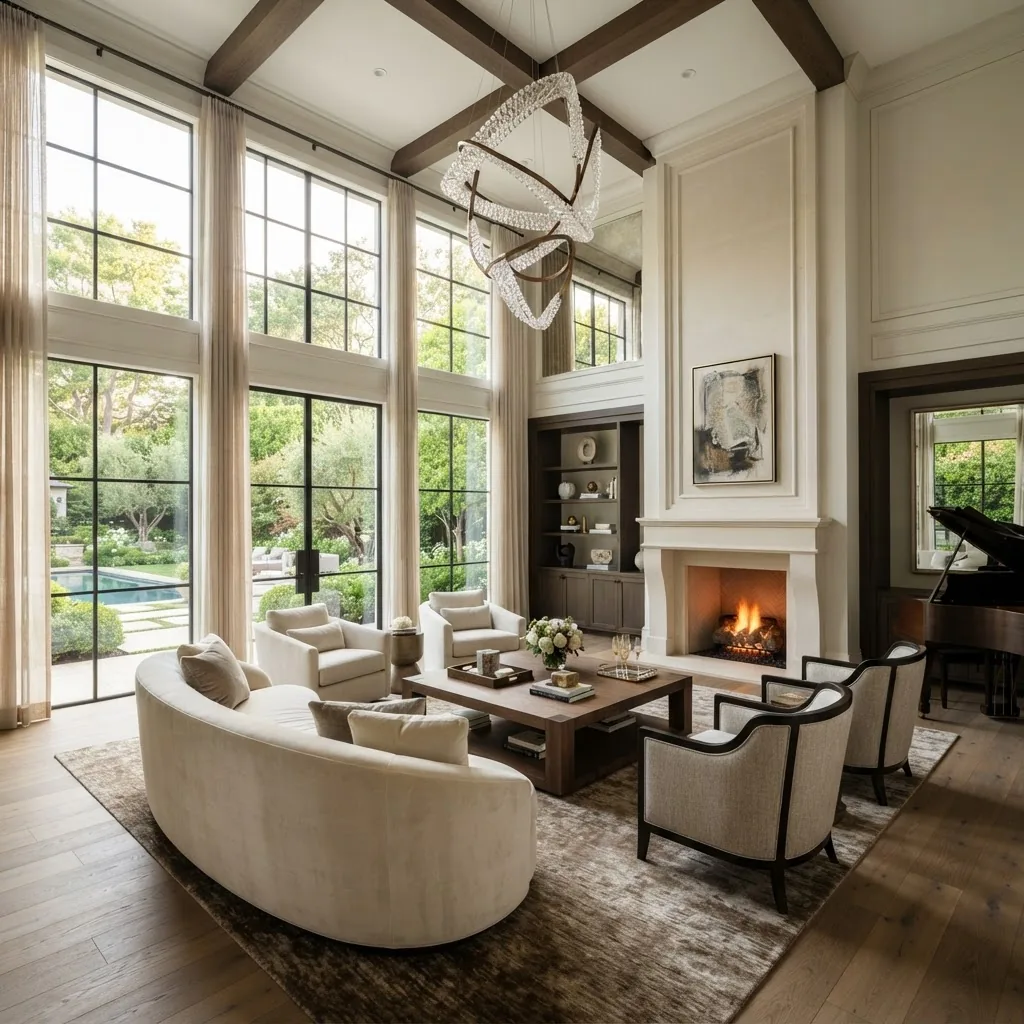
Interior ideas — curated luxury that lives well
Key interior trends for luxury houses include open circulation, bespoke joinery, experiential lighting and tactile finishes. Prioritise a material hierarchy: durable surfaces in service areas, signature materials in public rooms and luxurious textiles in private suites.
- Entertaining spaces: design multiple zones — formal dining, casual breakfast and al fresco living — with fluid sightlines and discreet service access.
- Primary suites: include private terraces, dressing rooms and connected wellness spaces.
- Service infrastructure: generous storage, robust back-of-house layouts and separate circulation for staff or guests.
- Lighting and acoustics: layered lighting and acoustic treatments are essential for large volumes to feel intimate.
For stylistic direction and curated examples, pair this article with our beautiful houses design styles and with contemporary-specific ideas in our contemporary interior and exterior design ideas.
Exterior ideas — landscape, approach and façades
Exterior design is the first promise a luxury house makes. Focus on arrival sequence — driveways, entry pavilions, water features and layered planting — while ensuring practical considerations for vehicle turning and service access.
- Pool and outdoor amenities: vanishing-edge pools, outdoor kitchens, and integrated AV create compelling outdoor living rooms.
- Landscape as architecture: sculptural planting, terraces and lighting design extend the interior palette into the garden.
- Sustainability: green roofs, low-water planting, and efficient irrigation reduce long-term upkeep without compromising opulence.
Amenity checklist for high-end living: pools, home gyms, cinema, wine cellars, private lifts, guest pavilions and secure garaging are common. Prioritise which amenities add lifestyle value versus which add ongoing maintenance costs.
“A well-designed outdoor sequence can double the perceived usable area of a home — in practice I’ve seen gardens add a premium equal to 10–15% of sale value when expertly executed.”
Location and Lifestyle Considerations When Buying Luxury Homes
Location defines much of a luxury home’s value. Buyers weigh privacy, convenience, community amenities and future resale prospects differently than mainstream buyers.
Examples and comparisons:
- Waterfront estates: unmatched lifestyle rewards but can carry higher insurance and maintenance costs.
- Inner-city mansions: proximity to culture and lifestyle — higher land-value appreciation but limited expansion potential.
- Country estates: acreage and privacy suited to equestrian or agricultural aspirations, but travel time to services increases.
Community and services: access to private schools, boutique healthcare, and local clubs can materially affect long-term desirability. For buyers relocating to Australia or moving between states, consult regional guides for local builders and requirements — our site contains city-specific resources.
Common Challenges and How to Overcome Them When Purchasing Luxury Houses
Purchasing a luxury house involves unique hurdles: volatile high-end markets, appraisal complexities, intricate title issues and elevated upkeep. Below are pragmatic steps and troubleshooting tips to navigate these challenges.
Challenge: Market volatility and valuation
Luxury markets can shift quickly. Counter this by engaging valuers experienced in bespoke properties, collecting multiple comparables, and building a margin in your offer to account for short-term market movements.
Challenge: Appraisal and insurance complexity
Insurers and lenders may require specialist replacement-cost assessments for heritage or high-spec finishes. Budget for these reports and for bespoke insurance premiums.
Challenge: Upkeep and operating costs
- Plan a maintenance reserve (often 1–2% of property value annually).
- Negotiate service contracts into the purchase where possible, such as pool servicing or garden maintenance credits.
- Consider staged renovations to spread capital expenditure.
Challenge: Legal, planning and title issues
Conduct thorough title searches, caveat checks and easement reviews. Where estates border public land or waterways, additional approvals or covenants may apply — enlist a solicitor familiar with high-end property law.
Buyer’s journey case example
We recently guided a buyer through a complex waterfront purchase: discovery (off-market tip), technical due diligence (heritage overlay identified), bespoke negotiations (26-day conditional period), and staged settlement tied to remediation work. The result: a successful acquisition with negotiated seller-funded remediation that preserved the buyer’s budget for interiors.
Practical troubleshooting checklist:
- Assemble a specialist advisory team early.
- Use conditional offers to manage risk.
- Secure bridging finance or liquidity demonstrations if timing is tight.
- Insist on independent, experienced inspectors and valuers.
Disclaimer: market conditions change. According to a 2023 report from the Australian Real Estate Institute, luxury segments can fluctuate; perform due diligence and consult professionals for up-to-date local advice.
Conclusion
Buying a luxury house blends aspiration with technical discipline. Prioritise a clear brief, specialised advisors, robust financing and a patient search for off-market gems. Design choices — from mansion formality to contemporary minimalism — should reflect how you plan to live. When you combine strategic buying with considered design, a luxury house becomes a long-term asset and a daily source of enjoyment.
Ready to begin? Start with a refined criteria sheet, contact a specialist luxury agent and request curated off-market alerts — your next exceptional home may already be quietly circulating.