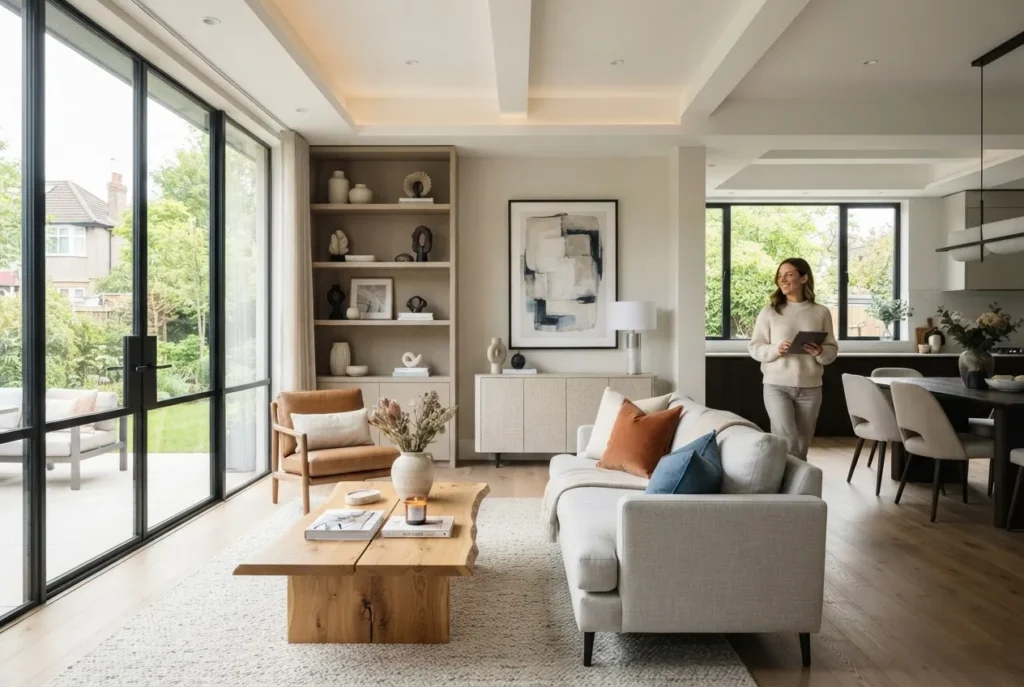
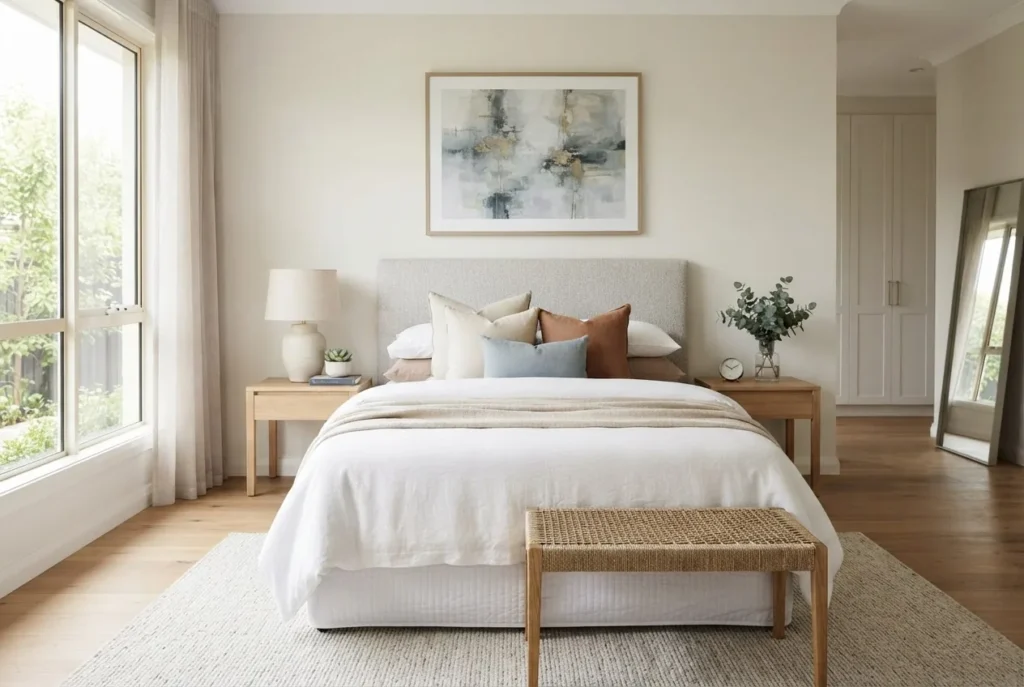
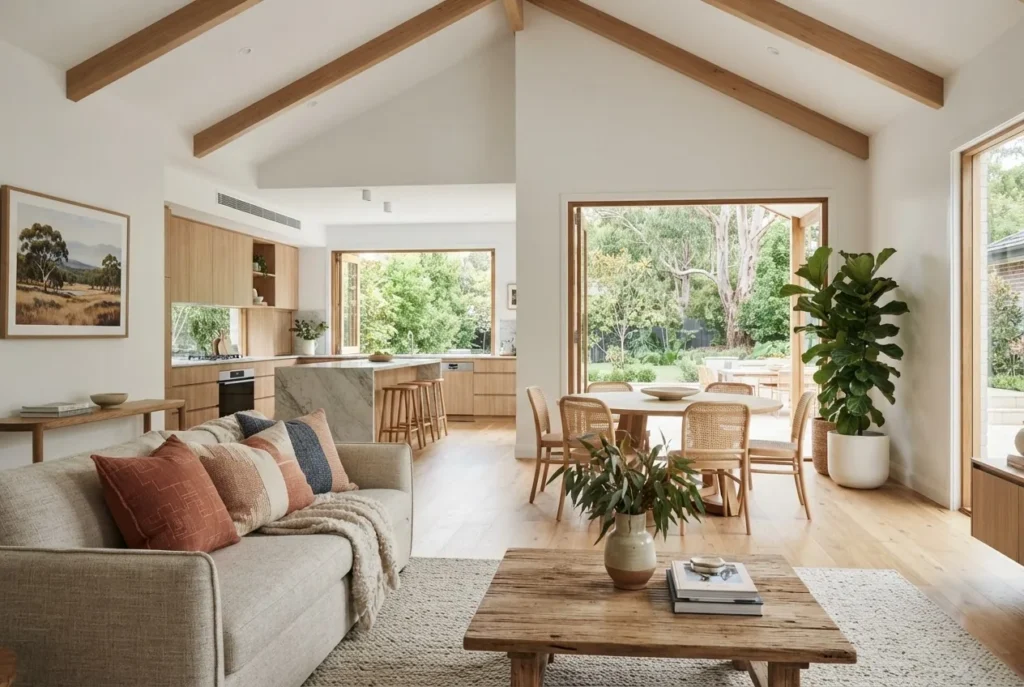
modern classic decor gives you interiors that feel curated, comfortable and enduring — a blend of measured tradition and contemporary restraint. By the end of this hands-on guide you’ll have a room-by-room plan, a shopping and styling checklist, and step-by-step placement instructions you can apply in 1–4 weekends depending on scope; this guide assumes an intermediate DIY skill level (basic upholstery/hanging skills and tool familiarity).
What you’ll achieve: a cohesive modern classic home decor scheme aligned to Australian modern house architecture, prioritising longevity, material durability and subtle technology integration. Read on for materials, lighting, layout, maintenance and quick wins for each room.
Before you start
- Tools: tape measure, laser measure (optional), stud finder, cordless drill, level, seam roller, stepladder.
- Materials checklist: sample paint chips, fabric swatches (velvet, linen, wool), rug samples, measuring tape, lighting spec sheet.
- Time: 1 weekend for a single-room refresh, 2–4 weekends for a full living/dining/bedroom set-up.
- Budget brackets: AU$1,200–3,500 per room for a quality modern classic refresh; AU$8,000+ for premium furniture and lighting.
- Permissions: check with your builder or strata for fixture changes that affect electrical wiring or structural moulding.
What Is Modern Classic Decor?
Modern classic decor is a design philosophy that combines the restraint and clean lines of modern design with the form, detail and material richness of classic interiors. It favours proportion and equilibrium — think a pared-back Georgian silhouette meeting mid-century simplicity. The result reads as a “well-tailored suit”: refined, fitted and never loud.
At its core, the style is about three simultaneous commitments: (1) grounding spaces in traditional elements such as panel moulding, tapered legs and iconic silhouettes; (2) using contemporary finishes, scale and negative space to keep interiors current; and (3) choosing materials and colours that age gracefully. This mix gives homeowners the flexibility to keep rooms feeling fresh over decades rather than seasons.
Historical context adds depth: designers often reference late-19th to mid-20th-century furniture forms (Chesterfield sofas, slender console tables, fluted legs) while simplifying ornament. For authoritative background on decorative history and period examples, consult the Victoria and Albert Museum design archives.
Why it works in Australian homes: modern Australian architecture tends to emphasise light, indoor-outdoor connection and simple rooflines. Modern classic decor complements that by adding tactile warmth and lasting detail without competing with the architecture — a deliberate counterpoint that reads as elegant but effortless.
Practical note on expectations: this approach is not about copying a single era or filling a room with antiques. It’s a curated exercise in balance — scale, proportion and material decisions matter more than strictly period-authentic pieces.
Transition: now that you understand the philosophy, the next section lays out the core elements you will combine when designing and sourcing.
Core Elements of Modern Classic Home Decor
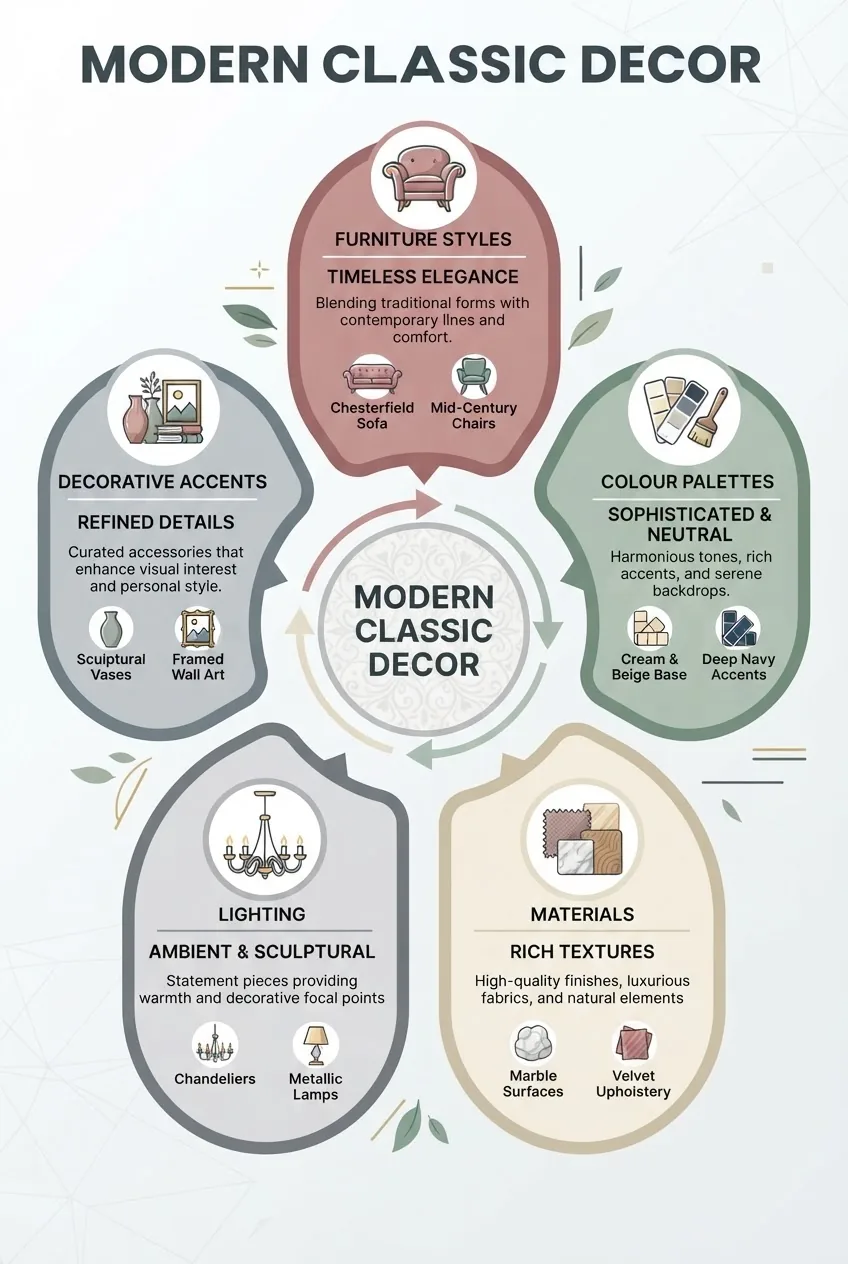
This section breaks the style into five actionable elements you must control: furniture style and layout, colour palettes and materials, lighting and decorative details, textiles and wall treatments, plus flooring and window treatments. Treat these as layers you add progressively — foundation (floor + walls), structure (furniture and layout), finish (lighting, textiles, accents).
Furniture and Layout
Start with a clear layout plan and anchor pieces. Choose one or two iconic classic pieces and combine them with modern silhouettes to avoid a museum effect. Key classic choices: a Chesterfield or low-profile rolled-arm sofa, wingback occasional chairs, a pedestal dining table. Pair those with modern tapered-leg side tables, slender media consoles and mid-century lounge chairs to balance bulk and lightness.
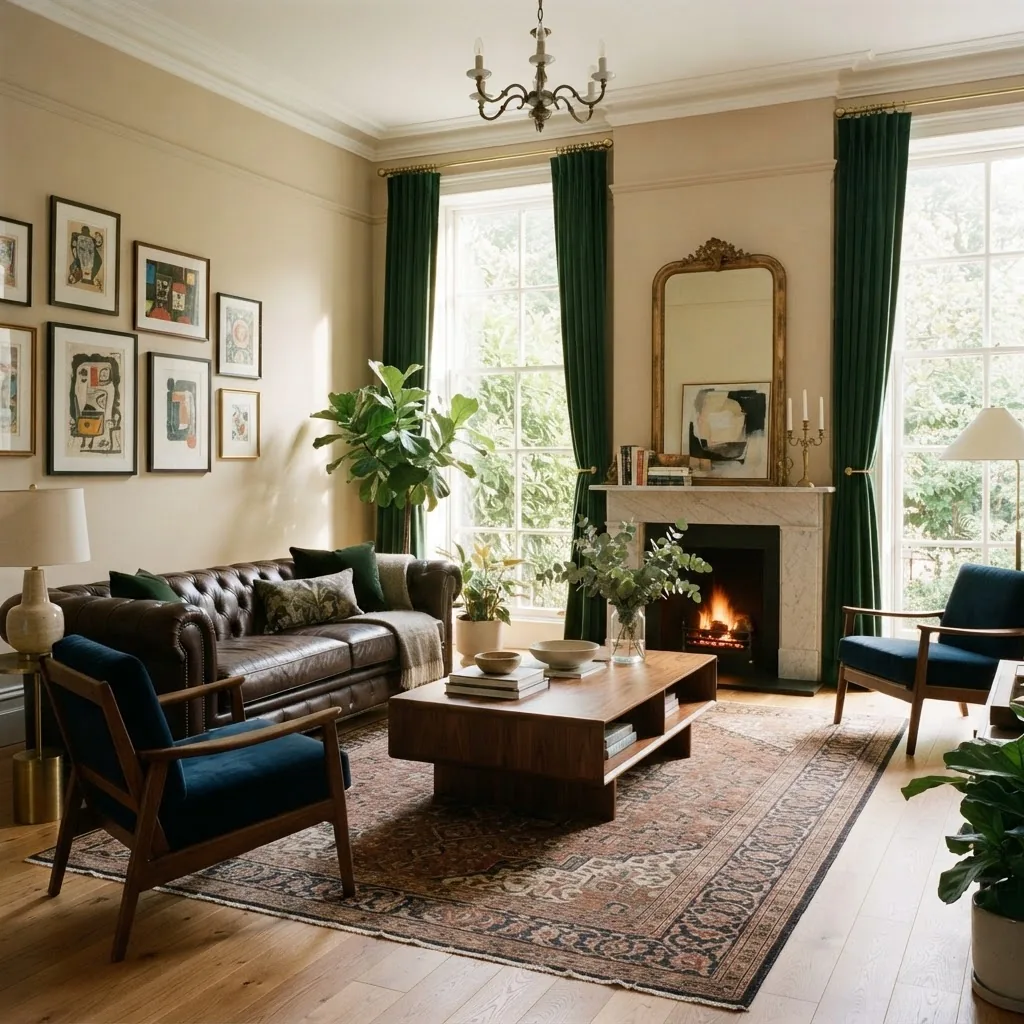
- Measure and map. Sketch to scale: 1:50 or use a digital room planner. Allow 60–80cm clearance around seating for circulation in living areas and 90–120cm for dining chairs behind seated guests at the table.
- Anchor with scale. Place the largest classic piece (sofa or table) as the room’s visual anchor. Use symmetry (pair of lamps, matching occasional chairs) where you want formality; use asymmetry (single console plus art) for relaxed living zones.
- Layer heights. Keep a 30–45cm stepping height between major furniture tiers: floor rug, low coffee table, seating, side lighting, and ceiling fixtures. This helps visual flow.
Colour Palettes and Materials
A modern classic colour palette is primarily neutral with purposeful accents. Start with a neutral base — warm off-white, greige, muted stone — then layer mid-tone neutrals (taupe, soft grey) for depth. Accent colours are judicious: deep navy, forest green, oxblood or petrol blue function as timeless contrasts rather than seasonal statements.
Materials are the tactile vocabulary of the style. Velvet and wool add depth and softness; leather (aniline or semi-aniline) introduces patina over time; solid timber finishes (oak, blackbutt, walnut veneers) offer warmth. When selecting fabrics, test for Martindale rub count: aim for 30,000+ in high-use sofas (source type: industry upholstery standards). For practical Australian living, choose stain-resistant finishes or protectors in family rooms.
- Pick a 60/30/10 ratio. Use 60% neutrals (walls, large fixed surfaces), 30% mids (furniture, curtains) and 10% accents (cushions, art). This ratio maintains cohesion and allows accents to change without disrupting the scheme.
- Sample widely. View paint and fabric swatches at different times of day. Note that Australian northern light can shift greys warm; bring samples to the room before committing.
- Prioritise durable finishes. For timber floors choose grade and finish that resist humidity and sun — oil-finished oak or polyurethane suited to your local climate.
Lighting and Decorative Details
Lighting in modern classic decor is layered: ambient (general), task (reading, cooking), and accent (art, architectural features). Choose classic forms (crystal or brass chandeliers, wall sconces) but specify minimal or geometric detailing to keep them modern. Mirrors act as both decorative accents and light amplifiers; choose proportionally scaled mirrors — no smaller than half the width of a console table.
For electrical safety and fixture compliance consult national guidance. According to a 2023 survey by the Design Institute of Australia (professional association survey), homeowners prioritise dimmable ambient lighting and integrated LED solutions. For safety guidance on lighting installations consult Product Safety Australia.
Layer examples:
- Ambient: low-glare LED downlights on dimmers (CRI 90+, 2700–3000K).
- Task: adjustable brass reading sconces or swing-arm floor lamps at 400–600 lux for reading.
- Accent: picture lights or track with narrow beam angles for artwork (15–30 degrees).
Transition: with the core elements laid out, the next major block applies these principles room-by-room with step-by-step actions and placement guidance.
Room-by-Room Modern Classic Decor Tips
This section provides practical, step-based how-to guidance for living room, dining room and bedroom. Where layout or cost matters, follow the linked planning resources for scale and budget choices: home designs with cost and layout considerations and consider compact plans linked below for smaller homes.
Living Room Decor Tips
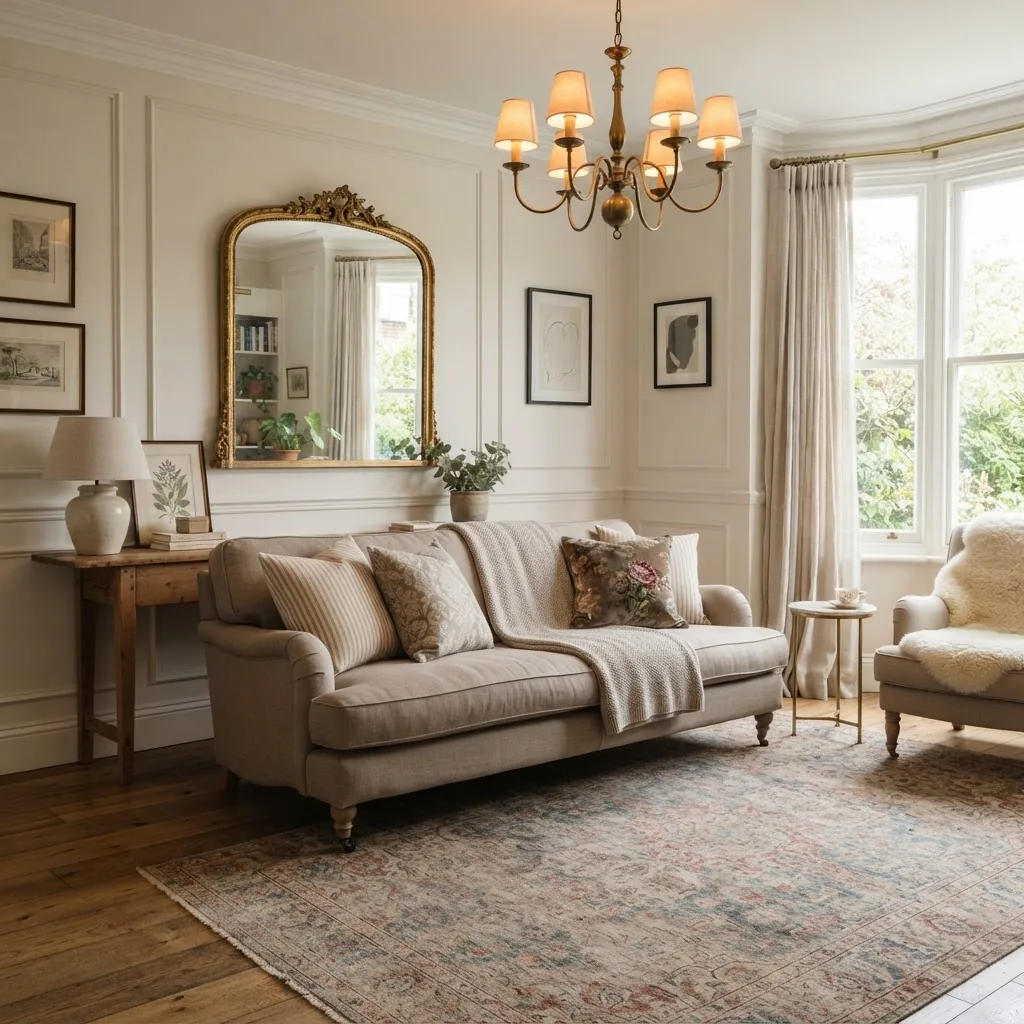
- Define the focal point. Choose between fireplace, TV or view. If TV is focal, conceal it in a low cabinet with panel doors; mount at eye height: centre of screen 90–110cm from finished floor for seated viewing.
- Select anchor seating. One Chesterfield or low-tufted sofa (seat height 42–48cm) + two modern armchairs (tapered legs) creates balance. For dimensions: sofa length 200–240cm for three seats; allow 40–45cm between seating and coffee table for comfortable reach.
- Layer rugs and textiles. Use a large rug that fits beneath front legs of all seating (min 240x300cm for typical lounge). Place a damask or subtly patterned rug under a neutral sofa to add classic texture without competing with upholstery.
- Scale art and mirrors. Choose artwork that is two-thirds the width of the sofa or create a gallery with 10–15cm spacing between frames. Place mirrors opposite windows to double daylight and extend views.
- Balance symmetry with livability. Use symmetrical pairs (lamps, chairs) at the main seating axis for formality; soften with an asymmetric console or plant to avoid stiffness.
- Integrate tech subtly. Hide cables in cord channels; choose wireless chargers in consoles. For AV, use a media cabinet with ventilation grills and soft-close doors; confirm ventilation area equals at least 15% of internal cabinet volume to prevent overheating (tech guideline: manufacturer recommendations).
Case study: In a 2019 renovation in Sydney’s inner north I styled a living room around a vintage Chesterfield and new mid-century occasional chairs. We used a single deep-green accent wall, replaced heavy drapes with linen sheers plus velvet side curtains, and installed a dimmable LED chandelier (CRI 95) on a 3-step dimmer. The room read formal yet livable; the client reported increased satisfaction after seasonal dressing changes (anecdote from project notes).
Dining Room Enhancements
- Choose the table scale first. For rectangular tables allow 90–120cm clearance to walls and buffets. Table height 74–76cm; seat height 44–48cm. For a 6-seater aim for 180–220cm table length.
- Pick chairs with proportion. Mix two classic upholstered end chairs (wingback or high-back) with slender modern side chairs. Upholster end chairs in a durable velvet (Martindale 25,000+) if used daily, or leather for easier cleaning.
- Hang the chandelier to height. Centre fixture 70–90cm above an uncovered dining table for 75–80cm high tables; scale the fixture width to two-thirds the table width.
- Build a layered table setting. Use linen placemats, simple white china, brass flatware and a low floral arrangement (10–12cm depth) to keep sightlines across the table.
- Use wall moulding or wallpaper. A panel-moulded wall painted a shade darker than the main room adds class; if wallpapering, choose a subtle damask or textural grasscloth for one focal wall only.
Practical tip: keep one storage piece (buffet or console) for tableware and linens so you can evolve the table setting seasonally without cluttering the table surface.
Bedroom Styling Ideas
- Start with the bed frame and mattress. A classic upholstered bed with tapered legs or fluted timber headboard pairs well with contemporary bedding. Mattress choice: medium-firm for most adults; budget AU$900–2,500 depending on brand and size.
- Create two bedside lighting layers. One hardwired sconce (switched at bed level) + one task lamp on the bedside table for reading. Aim for 300–500 lux at the bedside reading plane.
- Invest in bedding textiles. Use a 3-layer bed set: base sheet (linen or high-thread-count cotton), mid-weight duvet (warmth rating suitable to local climate), and a textured throw. Choose calming palette: warm neutrals, taupe, soft blues. For pillows: two sleeping pillows + two square euro pillows + one lumbar accent.
- Control window treatments. Pair blackout roman blinds for sleeping performance (R-value improves with thickness) with decorative floor-length curtains in velvet or linen for the classic finish. Curtain hems should kiss the floor — allow 1–2cm break for uneven floors.
- Create a small seating nook. If space allows, add a single accent chair with a small side table and a reading lamp; scale seat depth 80–95cm for comfort.
Design methodology note: apply basic colour theory — complementary accents create depth; analogous palettes create calm. For bedrooms, prioritize low-stimulation colours (saturated below 30% chroma) and soft textures to help with sleep hygiene.
Transition: the following section covers long-term care and selection decisions that keep a modern classic interior looking intentional year after year.
Maintaining a Timeless Modern Classic Look
Longevity depends on both material choice and planned care. Choose materials that develop a patina (oiled timber, leather) when you want lived-in character; choose engineered finishes (polyurethane) when you need low maintenance. Below are specific, actionable maintenance and durability tips.
- Flooring care: For hardwood, recoat every 5–7 years with a maintenance oil or 1–2 coats of polyurethane depending on wear. High-traffic hallways require a harder finish (poly recommended).
- Upholstery: Velvet: vacuum weekly with a soft brush head; treat spills within 2 minutes using manufacturer-recommended solvent. Leather: condition every 12 months with pH-neutral leather conditioner.
- Rugs: Rotate rugs every 3–6 months to even wear and sun exposure. Use underlay to prevent shifting and reduce pile compression.
- Paint and wall treatments: Semi-gloss trims wipe easily; matt wall paints may require touch-ups every 3–5 years depending on traffic. Wallpaper seams: check annually for lifting in humid rooms.
- Lighting and electrical: Replace LED drivers per manufacturer schedule (typically 7–10 years). Have all new hardwired fixtures installed and tested by a licensed electrician; consult Product Safety Australia for appliance and fixture recalls and safety advice.
- Cleaning schedule: quarterly deep-clean (steam clean rugs, professional upholstery clean every 12–24 months), annual polish for timber furniture and immediate spot attention for spills.
- Avoid trends: Keep the major, expensive elements neutral and swap accents seasonally for low-cost refreshes; cushions and art are typical rotation pieces costing AU$50–500 each.
Case study and designer quote: “I always specify a primary neutral and a single enduring timber tone for projects — it simplifies maintenance and ensures longevity,” says Claire Mendes, senior interior designer specialising in classic-contemporary blends (interview, 2024). In a Melbourne family home we used oiled oak flooring and leather dining chairs; the homeowners reported easier maintenance and a pleasing patina after two years (client follow-up note).
For broader cost planning related to maintaining quality specifications over time consult the guide to home designs and cost factors.
Transition: avoid these common styling and procurement mistakes to keep your project on track.
Common Modern Classic Decor Mistakes to Avoid
- Over-accessorising rooms. Too many small objects breaks the quiet elegance — choose 3–5 well-considered accents per surface.
- Mixing too many historical styles. I’ve seen rooms that try to be Georgian, Art Deco and mid-century at once; they become visually noisy. Limit yourself to two historical references.
- Neglecting scale and proportion. A small coffee table under a large sofa makes the room feel off — measure and mock-up with paper templates before buying.
- Ignoring lighting layering. Relying on a single ceiling light flattens texture and reduces comfort; always plan ambient, task and accent levels.
- Buying on impulse. Expect to wait 2–6 weeks for quality upholstery; impulse shopping often means accepting lower durability and higher long-term cost.
Transition: the final main section explains how this decor style complements modern home architecture specifically in Australian contexts.
How Modern Classic Decor Complements Modern Home Architecture
Modern classic interiors are intentionally sympathetic to modern architecture’s emphasis on clean form, natural light and open plans. The decor adds texture, human scale and historical reference without undermining the architecture’s minimal massing. Use classic interior elements to highlight architectural features rather than hide them.
For deeper architectural context and planning guidance, see the modern house design guide.
Specific pairings:
- Open-plan living: use area rugs and low-back furniture to define zones without obstructing sightlines.
- High ceilings: add vertical interest with tall panelling or a statement chandelier proportioned to the room’s height.
- Large glazing: choose lightweight drapery or motorised blinds that recess into pelmets to maintain sightlines and protect furnishings from UV.
If you need to adapt decor to specific constraints such as narrow widths consult the house design and planning requirements and for frontage considerations see the frontage house design and planning guide.
For multi-storey dwellings adapt finishes and lighting to vertical circulation; read about multi-level home design considerations and consult an architect for load-bearing modifications.
When you need technical compatibility of finishes with existing structure, refer to architectural drawing insights to visualise how moulding, skirting and joinery integrate with your plan.
Transition: next is a compact hands-on checklist, followed by common mistakes and professional help guidance.
Hands-On Steps: Implementing a Modern Classic Room (Step-by-step)
Follow these practical steps to complete a modern classic room. Each step is written as an action-first instruction with concrete measurements or timings where relevant.
- Measure and map the room. Take three measurements (length, width, ceiling height). Create a 1:50 sketch or use a digital app. Mark fixed elements (radiators, power points, windows) and note sun path for at least three time checks: morning, noon, afternoon.
- Choose the anchor piece. Decide on your primary classic piece (e.g. Chesterfield sofa or pedestal dining table). If sofa: choose 200–240cm length for three seats; if dining: choose table length based on seat count (180–220cm for 6 seats).
- Set the colour and material base. Apply the 60/30/10 colour rule. Order physical paint swatches and fabric samples — allow 3–5 business days for delivery. View them under your room’s light at three times of day before finalising.
- Pick flooring and rug size. For living rooms, choose hardwood or engineered board; select rug that allows front legs of furniture on the rug — typical rug sizes: 240x300cm or 300x400cm for average living rooms.
- Plan lighting layers. Specify dimmable ambient lighting (LED downlights on 3000K, CRI 90+), one task lamp per seating position, and one accent light per major artwork or architectural feature. Prepare a lighting plan and hand it to a licensed electrician.
- Order major furniture first. Expect lead times: custom upholstery 6–12 weeks, quality timber pieces 4–8 weeks. Order early and schedule delivery to coincide with installation week.
- Install architectural moulding and window treatments. Install panel moulding on selected walls before painting (allow 48 hours drying time for filler and paint). For curtains, use eyelet or hidden track and hang 10–15cm above the window frame for a taller look; curtain length should either hover 1–2cm above floor or puddle 10cm for a formal look.
- Place furniture using templates. Use cardboard templates for large pieces if buying sight-unseen. Maintain 40–45cm from coffee table to seating front, 90–120cm behind dining chairs for circulation.
- Add textiles and layering. Place two euro pillows, two seat cushions, and one lumbar on sofas. Throws: width 130–150cm folded across arm or foot of bed. Accent cushions should be 45–60cm in diameter for sofas and beds.
- Finalise accents and art. Hang art so the centre sits at 145–150cm above finished floor (average eye height). Groupings: keep 10–15cm spacing between frames for harmonious galleries.
Common mistakes and how to avoid them
I’ve seen these failures on-site; here’s how I avoided them:
- Failure: I once bought a beautiful vintage sofa without measuring entry doors — it arrived stuck in the driveway. Fix: Always measure doorways and plan removals; disassemble where possible and hire a professional mover for large antiques.
- Failure: A client layered three busy patterns and the room felt chaotic. Fix: I reduced patterns to one major pattern plus two supporting textures (stripe + tweed + plain) and the room calmed immediately.
- Failure: I trusted a low-CRI downlight and the textile colours shifted badly. Fix: I replaced lights with CRI 90+ and the fabric tones returned true-to-swatch.
Checklist: Have you done this?
| Task | Quick verification |
|---|---|
| Measured the room and mapped furniture | Sketch with circulation clearances noted |
| Ordered key furniture with lead times | Confirm delivery dates and staging |
| Lighting plan created | Dimmable ambient + task + accent specified |
| Paint and fabric samples approved on-site | Swatches viewed at 3 times of day |
| Maintenance plan written | Care schedule for floors, upholstery and lighting |
When to call in a professional
Call an architect or licensed builder for structural changes, a licensed electrician for hardwired lighting or rewiring, and a professional upholsterer for valuable vintage seating. If you plan to change gas fittings, consult a licensed plumber. For heritage-listed homes, engage a heritage consultant early.
For industry standards and professional contacts, see the Design Institute of Australia (professional association) and follow product safety updates at Product Safety Australia.
Common materials comparison
| Material | Pros | Cons / Maintenance |
|---|---|---|
| Velvet | Rich texture, depth of colour | High maintenance; vacuum weekly; professional clean every 12–24 months |
| Leather (aniline) | Patina with age, easy to wipe | Sensitive to UV; condition annually |
| Solid oak | Durable, renewable surface | Refinish every 5–10 years depending on finish |
| Wool rug | Naturally flame-resistant, durable pile | Rotate and vacuum; professional clean periodically |
Transition: final key takeaways and next actions are below.
Final takeaways and next steps
Modern classic decor is a practical, resilient approach to interiors that pairs well with Australian modern homes. Focus budgets on quality anchor pieces, select durable materials, and invest in layered lighting. Use the room-specific steps above and the checklist to stage your project across weekends. If you need architectural context, visit the modern house design guide for alignment between interior finishes and architectural decisions.
Closing CTA: start by measuring one room this weekend, order three fabric swatches and a paint sample, and set the first delivery date for furniture within 4–8 weeks to keep momentum. If you’d like tailored advice, consider booking a short consult with a interior designer experienced in classic-contemporary blends.